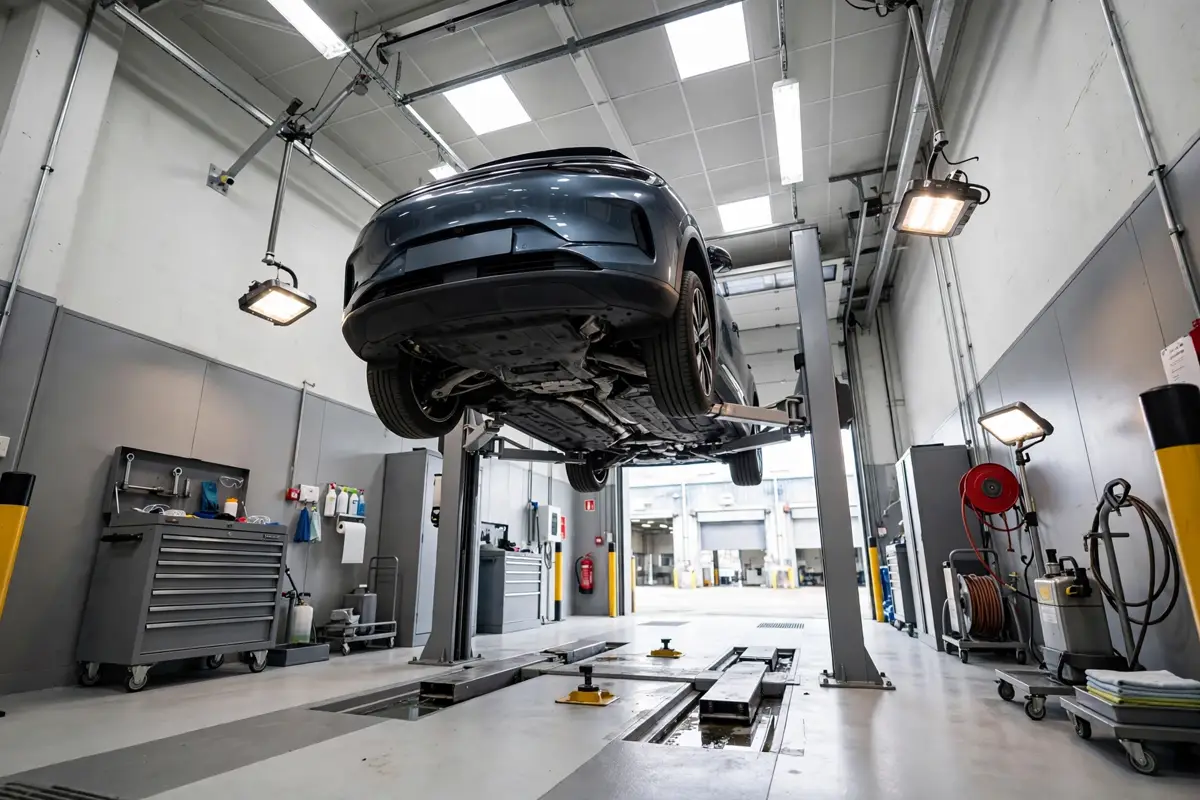
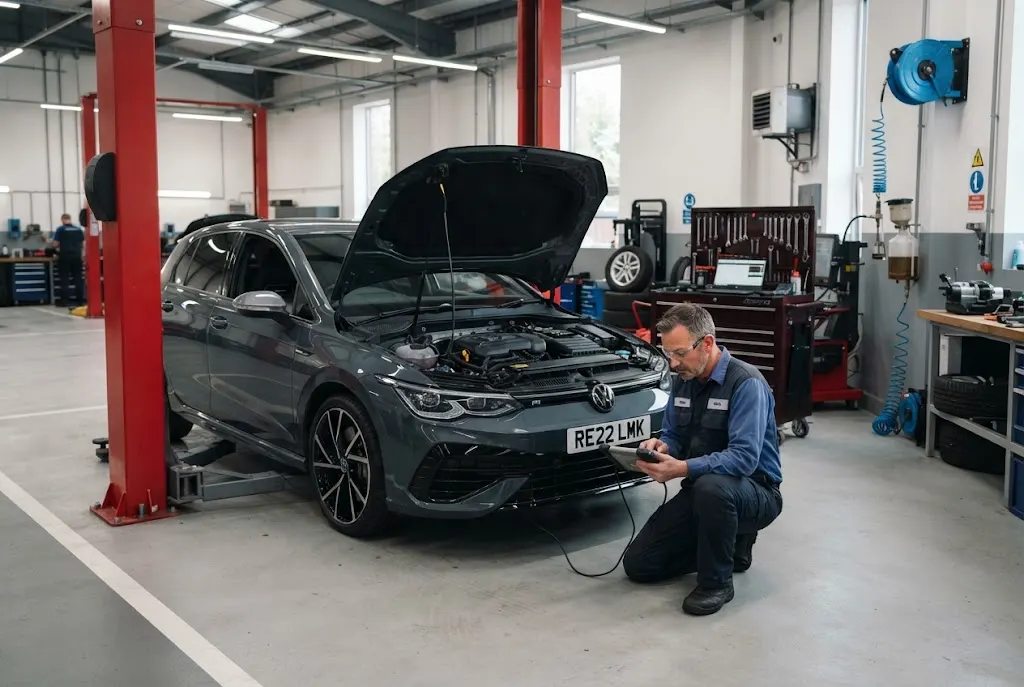
Automotive service companies play an important role in keeping vehicles safe, reliable and roadworthy across the UK. From independent garages and authorised workshops to specialist repair businesses and larger service networks, motorists have a wide range of options when their car needs maintenance, servicing or repairs.
Choosing the right provider is not simply about finding the nearest garage or the lowest price. The vehicle’s age, technology, repair requirements, technician expertise, diagnostic equipment and customer service can all affect the quality and value of the work. This guide explains the main types of automotive service companies and what UK drivers should consider before booking a workshop.
What Are Automotive Service Companies?
Automotive service companies are businesses that provide vehicle maintenance, servicing, diagnostics, repairs and other automotive-related services. Some operate from a single local workshop, while others form part of larger regional or national service networks.
The sector includes general mechanical garages, tyre specialists, authorised manufacturer workshops, accident repair centres, mobile technicians and businesses specialising in particular vehicle systems or technologies.
Because these providers can have very different capabilities, motorists should match the business to the work required. A garage that is suitable for routine servicing may not necessarily be the right choice for an advanced electrical fault, hybrid-system diagnosis or complex transmission repair.
Types of Automotive Service Companies in the UK
Understanding the different types of providers can make it easier to choose a workshop that matches your vehicle and the work it needs.
Independent Garages
Independent garages are locally operated workshops that are not directly part of a vehicle manufacturer’s dealer network. Many provide general servicing, mechanical repairs, diagnostics, brake work, suspension repairs and other routine maintenance.
A well-established independent garage may offer a personal service and develop strong knowledge of vehicles commonly used in its local area. However, capabilities vary considerably between businesses.
Before booking specialist work, drivers should ask whether the workshop has the appropriate diagnostic equipment, technician training and experience for their particular vehicle.
Authorised Workshops
Authorised workshops operate within a manufacturer’s approved network or have an established relationship with a vehicle brand. They may have access to manufacturer-specific diagnostic equipment, technical information, training and approved parts.
These providers can be particularly relevant for newer vehicles, specialist diagnostics and repairs that require manufacturer-specific knowledge.
However, drivers should still check exactly what a workshop offers. Authorised status does not automatically mean that every location has expertise in every type of repair or vehicle technology.
Automotive Repair Specialists
Specialist businesses focus on particular areas of vehicle maintenance and repair. Examples include transmission specialists, electrical repair businesses, exhaust specialists, air-conditioning technicians, body repair centres and businesses dedicated to particular vehicle makes.
A specialist can be valuable when a problem falls outside the scope of routine servicing. Their experience with a particular system may help with diagnosis when a general-purpose garage has been unable to identify the cause.
National Service Networks
National service networks provide motorists with access to multiple workshops operating under a shared brand or service structure. They can be convenient for drivers who travel regularly or prefer to use a recognised service provider.
Our guide to garage chains provides further context on major UK service networks and the different services motorists may find across the sector.
How to Choose Automotive Service Companies
The best automotive service company depends on the vehicle and the problem requiring attention. Start by identifying the type of work required before comparing providers.
A routine service, for example, may be suitable for a competent general garage. An advanced electrical fault, hybrid-system issue or high-voltage EV problem may require a provider with specialist training and equipment.
Once you understand the work involved, compare businesses using several criteria rather than focusing solely on price.
Check Technical Expertise
Technical expertise should be one of the first considerations. Modern vehicles contain sophisticated electronic systems, sensors, driver-assistance technology and increasingly complex powertrains.
If your vehicle is electric, hybrid or highly computerised, ask whether the workshop regularly works with your type of vehicle and whether technicians have appropriate training.
Our EV servicing guide explains why specialist knowledge and suitable procedures are particularly important when maintenance involves electric vehicle systems.
Check Diagnostic Equipment
Modern vehicle repairs often require considerably more than conventional hand tools. Diagnostic scanners, electronic testing equipment, wheel alignment systems and manufacturer-specific tools can all be important depending on the job.
A workshop should have the equipment necessary to investigate the fault properly. If a garage recommends replacing parts without explaining how the problem was diagnosed, it is reasonable to ask for more information before approving expensive work.
Consider Service Standards
Professional service standards can make a significant difference to the overall customer experience. A reputable workshop should explain what needs to be inspected, identify additional faults clearly and communicate before carrying out chargeable work beyond the agreed scope.
Clear invoices and service records are also useful. They show what work was completed and can help another technician understand the vehicle’s maintenance history in the future.
Why Customer Support Matters
Good customer support is about more than communication at the reception desk. It includes clear information before, during and after the repair.
Before work starts, customers should understand what the workshop plans to do and what the estimated cost is. If additional problems are discovered, the business should explain the issue and provide an updated quotation before proceeding with additional chargeable work where appropriate.
After the repair, customers should receive useful documentation showing what was completed. For larger repairs, it can also be helpful to understand whether the work or parts are covered by a warranty or guarantee.
Comparing Prices From Automotive Service Companies
Price matters, but the cheapest quotation is not always the best value. Two garages can quote different amounts because they are using different parts, allowing different labour times or including different diagnostic and inspection services.
When comparing quotations, ask what is included. Consider labour, parts, diagnostics, fluids, VAT and any additional inspection or follow-up work.
A low-cost service package may not include every item required by a manufacturer’s recommended maintenance schedule. Comparing the actual work rather than the headline price gives drivers a more meaningful basis for making a decision.
Independent Garages vs Authorised Workshops
The choice between independent garages and authorised workshops is common among UK motorists. Both can provide high-quality servicing and repairs when they have the appropriate expertise and equipment.
An authorised workshop may be attractive to owners of newer vehicles or vehicles requiring manufacturer-specific diagnostics. Drivers may also prefer a manufacturer network when they value brand-specific service history and technical support.
An independent garage may offer greater flexibility or competitive pricing and can be an excellent option when its technicians have the appropriate experience for the vehicle.
There is no universal answer. Drivers should consider the vehicle’s age, warranty position, repair complexity and the actual capabilities of the workshop.
Automotive Service Companies for Electric Vehicles
Electric vehicles have changed some aspects of vehicle servicing. They do not use conventional engine oil and contain fewer traditional powertrain components, but they still require professional maintenance.
EV servicing can involve battery diagnostics, charging-system checks, brakes, tyres, suspension, steering, cooling systems and electronic diagnostics. Work involving high-voltage components requires suitable training, equipment and safety procedures.
Before booking an electric vehicle with a garage, ask whether its technicians are appropriately trained for EV work and whether the workshop has suitable diagnostic equipment.
Automotive Service Companies for Hybrid Vehicles
Hybrid vehicles combine an internal combustion engine with electric propulsion, creating maintenance requirements that differ from both conventional petrol or diesel cars and fully electric vehicles.
Hybrid servicing can include engine maintenance, battery-system checks, regenerative braking components, cooling systems, tyres, suspension and electronic diagnostics.
Drivers should therefore confirm that their chosen provider has experience with hybrid vehicles. Specialist knowledge becomes particularly important when a fault involves the vehicle’s electrical or hybrid powertrain.
Our hybrid servicing guide provides further information about hybrid-system checks and maintenance considerations for UK drivers.
Automotive Service Companies and Wheel Maintenance
Tyres, wheels, steering and suspension are closely connected. A vehicle showing uneven tyre wear, vibration or unusual steering behaviour may require more than a simple tyre replacement.
Depending on the symptoms, a workshop may need to investigate wheel alignment, balancing, suspension components or steering systems.
Our wheel alignment guide explains common alignment issues and why symptoms such as uneven tyre wear or an off-centre steering wheel should not be ignored.
When to Use a Repair Specialist
Some vehicle faults are better handled by specialist businesses than general-purpose garages. Complex transmission faults, advanced electrical problems, air-conditioning issues, body repairs and certain engine problems can require dedicated knowledge and equipment.
A specialist may have diagnostic tools and experience focused on a particular system. This can be especially valuable when a fault has already been investigated without a clear solution.
However, motorists should still check the provider’s experience, service terms, warranties and customer feedback before committing to expensive specialist work.
Questions to Ask Before Booking a Garage
A few practical questions can help drivers determine whether an automotive service company is suitable for the job.
- Does the workshop regularly work on my vehicle make and model?
- Does it have the diagnostic equipment required for the repair?
- Are technicians trained for hybrid or electric vehicles where relevant?
- What exactly is included in the quoted price?
- Are the replacement parts genuine, manufacturer-approved or aftermarket?
- Will I be contacted before additional work is carried out?
- Is there a warranty or guarantee on the repair?
- Will I receive a detailed invoice and service record?
These questions are particularly useful when comparing several providers. They encourage clearer communication and make it easier to understand the value being offered.
Why Service Records Matter
Keeping accurate service records is an important part of vehicle ownership. Records can show when maintenance was completed, which components were replaced and what issues were previously identified.
A complete history can help future technicians diagnose problems more efficiently. If the vehicle is sold, maintenance documentation can also give prospective buyers a clearer picture of how the car has been cared for.
Drivers should keep invoices, service documents and relevant repair information together, regardless of whether the work is completed by an independent garage, authorised workshop or national service network.
How Vehicle Technology Is Changing Automotive Services
The automotive service sector continues to evolve as vehicles become more connected, electrified and electronically controlled. Automotive businesses increasingly need technicians who understand advanced diagnostics, hybrid systems, EV technology and modern driver-assistance features.
This means motorists should not assume that experience with older vehicles automatically translates into expertise with every modern powertrain.
For vehicle owners, asking about current training, equipment and experience can therefore be just as important as checking how long a garage has been operating.
How Service Quality Affects Long-Term Ownership
Good servicing is about more than fixing an immediate fault. Proper maintenance can help identify developing problems and keep important vehicle systems in suitable condition.
Clear service procedures can also make future maintenance easier. When technicians document inspections and repairs properly, the next workshop has more information available when diagnosing a new problem.
This can be particularly useful for vehicles with complex electronic systems, where previous diagnostic information may provide valuable context.
When Should You Choose a Specialist?
A general garage can handle many everyday maintenance tasks, but specialist support may be appropriate when the issue involves a complex or unusual system.
- The fault requires manufacturer-specific diagnostic equipment.
- The vehicle has a complex hybrid or EV system.
- A transmission problem requires specialist knowledge.
- Repeated repairs have failed to resolve the same issue.
- The vehicle requires specialist body or accident repair.
- The garage has advised that specialist equipment is required.
Using the right type of provider can help reduce unnecessary parts replacement and ensure that the problem is investigated by someone familiar with the relevant system.
Frequently Asked Questions About Automotive Service Companies
What do automotive service companies do?
Automotive service companies provide vehicle maintenance, servicing, diagnostics, repairs and related services. Some focus on general mechanical work, while others specialise in tyres, body repairs, electrical systems or particular vehicle technologies.
Are independent garages reliable?
Many independent garages provide high-quality vehicle maintenance and repairs. However, capabilities vary between businesses, so drivers should check technician expertise, equipment, service terms and experience before choosing a workshop.
Are authorised workshops better than independent garages?
Not necessarily. Authorised workshops can provide manufacturer-specific expertise and equipment, while independent garages can offer specialist knowledge and competitive pricing. The appropriate choice depends on the vehicle and work required.
Can automotive service companies work on EVs?
Some can, but EV capability varies. Drivers should confirm that the workshop has suitable training, safety procedures and diagnostic equipment before booking specialist electric vehicle work.
How do I compare automotive service companies?
Compare their technical expertise, equipment, service standards, pricing, parts policy, customer support, warranties and experience with your particular vehicle. The lowest price should not be the only deciding factor.
Final Thoughts
Automotive service companies give UK motorists a wide range of choices, from independent garages and authorised workshops to specialist repair businesses and national service networks. Each type of provider can serve a different purpose.
The best decision starts with understanding what your vehicle actually needs. Routine maintenance may be suitable for a general garage, while advanced electrical, hybrid, EV, transmission or accident repairs may require specialist expertise.
By comparing technical capability, service standards, customer support and total costs, drivers can make more informed choices and avoid selecting a provider based solely on convenience or price. As modern vehicles become increasingly sophisticated, choosing the right automotive service company is an important part of responsible long-term vehicle ownership.
As UK drivers navigate the diverse landscape of automotive service providers, it’s essential to also consider the financial implications of vehicle maintenance and repairs. Unexpected breakdowns or necessary upgrades can lead to significant expenses, often catching motorists off guard. Understanding the costs involved in servicing and repairs is crucial, especially when factoring in the potential for unforeseen bills that may arise. To mitigate these financial pressures, many drivers are exploring options such as repair finance, which can offer flexible payment plans tailored to individual needs. By leveraging such financial solutions, drivers can ensure their vehicles remain in optimal condition without compromising their financial stability.