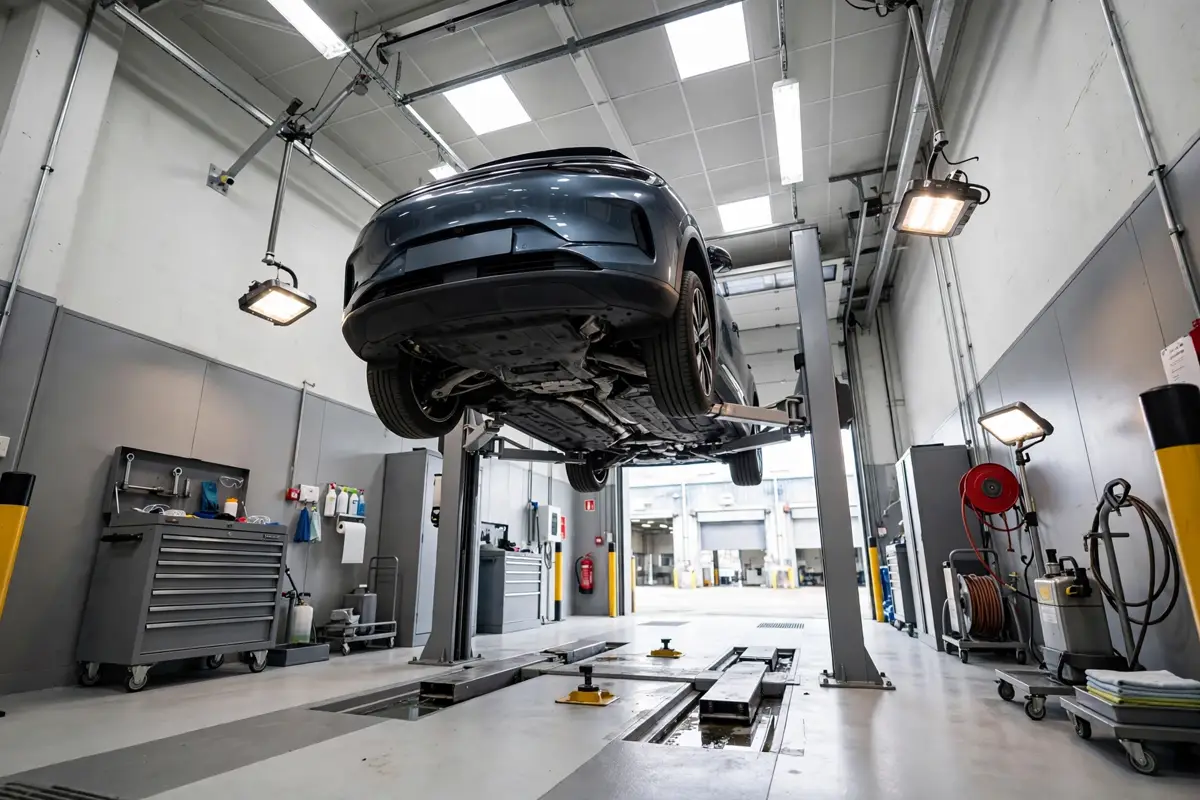
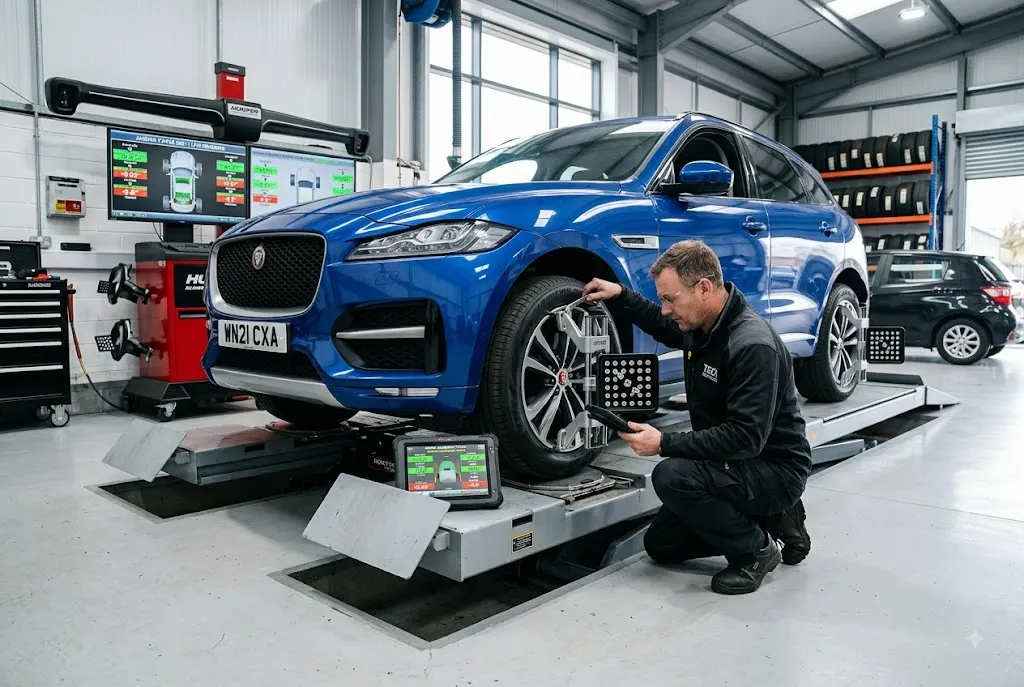
Wheel alignment is an important part of routine vehicle maintenance, yet it is often overlooked until a car starts pulling to one side or its tyres begin wearing unevenly. Correct alignment helps the wheels point in the intended direction, supports predictable steering and can reduce unnecessary tyre wear. For UK drivers, understanding the warning signs and knowing when to arrange a professional check can help maintain safe, comfortable and efficient motoring.
Wheel alignment is closely connected with steering, tyres and suspension. A problem with one area can affect another, which is why a proper inspection should look beyond the wheel angles alone. This guide explains what alignment means, the common symptoms of misalignment, how the service works and how it fits into a sensible vehicle maintenance routine.
What Is Wheel Alignment?
Wheel alignment is the process of checking and, where necessary, adjusting the angles of a vehicle’s wheels so they match the manufacturer’s specifications. These settings influence how the tyres meet the road and how the vehicle responds to steering inputs.
Technicians generally consider three key alignment angles: camber, caster and toe. Camber describes the inward or outward tilt of a wheel when viewed from the front. Caster relates to the angle of the steering axis when viewed from the side, while toe describes whether the wheels point slightly towards or away from each other when viewed from above.
These measurements work together. If one or more angles move outside the recommended range, the vehicle may not behave as intended. A professional wheel alignment service uses specialist equipment to measure the existing settings and make suitable adjustments where the vehicle design allows.
Why Wheel Alignment Matters
Correct alignment affects more than simply keeping a steering wheel straight. It can influence tyre life, steering response, ride quality and the way a car behaves on different road surfaces.
When the wheels are correctly positioned, the tyres can maintain a more consistent contact patch with the road. In contrast, incorrect alignment can contribute to irregular tyre wear. The UK Highway Code advises drivers to pay attention to tyre condition and notes that excessive or uneven tyre wear can be associated with faults in braking or suspension systems or wheels being out of alignment.
Drivers should also remember that wheel alignment is only one part of vehicle safety. Tyre pressures, tread depth, steering components, suspension and wheel condition all deserve regular attention. The UK government recommends checking tyre pressures regularly and ensuring tyres meet the relevant legal requirements.
Common Signs of Misaligned Wheels
Misalignment does not always produce an obvious warning. However, several symptoms can indicate that your vehicle needs an inspection.
Your Car Pulls to One Side
If your car consistently drifts left or right while travelling on a reasonably level road, the alignment may need checking. However, tyre pressure differences, road camber and other mechanical issues can also influence the direction of travel, so a professional diagnosis is preferable to assuming alignment is the only cause.
The Steering Wheel Is Off Centre
A steering wheel that sits noticeably crooked while the vehicle is travelling straight can be a sign that the steering and wheel geometry needs inspection. This can become particularly noticeable after suspension work, wheel impacts or other repairs.
Uneven Tyre Wear
Tyre wear is one of the most useful visual clues. If one edge of a tyre is wearing considerably faster than the rest, the vehicle may have an alignment or suspension problem.
Do not wait until the tread is severely worn before investigating. Irregular wear can reduce the useful life of a tyre and may indicate an underlying mechanical issue that needs attention.
Unusual Steering Behaviour
Changes in steering response, particularly when cornering or returning the steering wheel after a turn, should not be ignored. Alignment problems can affect how naturally the vehicle tracks through a bend.
Vibration or Other Handling Changes
Vibration can sometimes be associated with alignment issues, although wheel balancing, tyre defects, wheel damage and suspension problems can produce similar symptoms. For this reason, a garage should inspect the complete wheel and tyre assembly rather than treating every vibration as an alignment problem.
Wheel Alignment vs Wheel Balancing
Wheel alignment and wheel balancing are different services, although drivers often confuse the two.
The Wheel alignment concerns the angles and geometry of the wheels relative to the vehicle and road. Wheel balancing, on the other hand, addresses weight distribution around a wheel and tyre assembly. An imbalance can contribute to vibration, particularly as road speed increases.
If a vehicle develops a steering vibration after fitting new tyres, for example, balancing may be relevant. If the car pulls to one side or the tyres are wearing unevenly, alignment may deserve closer attention. In some cases, both services may be appropriate.
A competent technician should identify the likely cause rather than automatically recommending the same service for every symptom.
What Causes Wheel Alignment Problems?
Alignment settings can change for several reasons. One of the most common is an impact with a pothole, kerb or other road hazard. Even when there is no obvious damage, a significant impact can justify an inspection.
Normal wear in steering or suspension components can also affect alignment. Worn bushes, ball joints, track rod components and other parts may prevent the wheels from maintaining the intended geometry.
Changes can also follow suspension repairs, component replacement or modifications that alter the vehicle’s ride height or geometry. This is why alignment checks can be particularly useful after relevant repair work.
Why Suspension Checks Matter
Wheel alignment should not be treated as an isolated service. Suspension checks are important because worn or damaged components can make it difficult to maintain the correct wheel geometry.
A garage should look for obvious signs of wear or damage before carrying out adjustments. If a suspension component is excessively worn, adjusting the alignment alone may not resolve the underlying problem.
The government’s MOT inspection guidance covers wheels, tyres and suspension components because these systems can affect vehicle safety and directional stability. Drivers should therefore take changes in steering or handling seriously rather than waiting for the next scheduled service.
What Happens During a Wheel Alignment Service?
A professional wheel alignment service normally starts with an inspection. The technician may check tyre pressures, tread condition, steering components, suspension and wheels before measuring alignment angles.
Specialist alignment equipment is then used to measure the vehicle’s current settings. The results can be compared with the manufacturer’s recommended specifications.
If adjustments are required and the vehicle’s design permits them, the technician makes the necessary changes. The measurements are then checked again to confirm the final settings.
The exact process varies between vehicles and garages. Some vehicles require a more comprehensive four-wheel alignment, while others may have particular adjustment limitations. A good workshop should explain what has been measured and whether any additional repairs are required.
When Should You Get a Wheel Alignment Check?
There is no single universal interval that applies to every vehicle. Instead, drivers should consider alignment checks as part of broader maintenance and arrange one when symptoms or circumstances suggest it may be necessary.
A check is particularly sensible after hitting a substantial pothole or kerb, after certain steering or suspension repairs, or when new tyres reveal unusual wear. It is also worth considering if the steering wheel no longer appears centred or the vehicle has developed unfamiliar handling characteristics.
Regular visual checks can help you spot problems early. Look at the tread across the full width of each tyre rather than inspecting only the outer edge. Also check tyre pressures according to the vehicle manufacturer’s recommendations.
For current UK roadworthiness requirements, drivers can refer to the government’s guidance on checking whether a vehicle is safe to drive and the relevant MOT inspection requirements.
How Wheel Alignment Can Help Reduce Tyre Wear
Tyres are designed to work with the vehicle’s suspension and steering geometry. If the wheels are not positioned correctly, certain areas of the tread may experience more wear than intended.
That can lead to a tyre becoming unevenly worn even when the tread in other areas still appears healthy. Once abnormal wear has developed, correcting the alignment may prevent further accelerated wear, but it cannot restore rubber that has already been lost.
This is why early detection matters. A simple tyre inspection can sometimes reveal a problem before it becomes an expensive replacement issue.
Wheel Alignment and Vehicle Stability
Vehicle stability depends on several systems working together, including tyres, steering, suspension and braking. Wheel alignment contributes to the way the vehicle tracks and responds to steering inputs.
If a vehicle does not travel naturally in a straight line or responds differently from how it normally does, the issue deserves investigation. Drivers should not assume that a small handling change is harmless, especially if it appears alongside unusual tyre wear or steering behaviour.
It is also important to distinguish alignment problems from other faults. Incorrect tyre pressure, worn suspension components, wheel damage and tyre defects can all affect handling. A complete inspection is therefore more useful than relying on a single symptom.
Choosing a Garage for Wheel Alignment
When arranging an alignment check, look for a workshop with suitable diagnostic and alignment equipment and technicians who can explain the findings clearly. The cheapest advertised service is not necessarily the best choice if it does not include proper measurement or inspection.
Drivers can compare automotive service companies and consider whether an independent garage, authorised workshop or specialist service provider is appropriate for their vehicle.
It can also help to understand the difference between individual workshops and larger garage chains. Larger service networks may offer multiple locations, while independent garages can provide a more local service. The right choice depends on the vehicle, the work required and the level of expertise available.
Before approving additional repairs, ask the garage to explain what has been found, which components need attention and whether the alignment can be completed immediately or only after another repair.
How Much Does Wheel Alignment Cost?
The price varies according to the vehicle, location, type of alignment and the condition of the components involved. A basic alignment may cost less than a more comprehensive four-wheel service, while additional repairs can increase the final bill.
For that reason, drivers should compare what is included rather than comparing headline prices alone. Ask whether the service includes measurements, adjustments and a final check. If a garage identifies worn steering or suspension components, those repairs may need to be completed before accurate alignment can be achieved.
Wheel Alignment as Part of a Maintenance Guide
Wheel alignment should form part of a broader maintenance routine rather than being treated as a standalone solution. Drivers should regularly check tyre pressures, inspect tread and sidewalls, pay attention to warning lights and respond promptly to changes in steering or handling.
The UK government’s vehicle safety guidance states that drivers are responsible for ensuring their vehicle remains safe to drive, even when it has a current MOT certificate. The same guidance highlights tyre condition and tread requirements as important routine checks.
For a practical maintenance approach, think of wheel alignment alongside tyre care, wheel balancing, steering inspection and suspension checks. Looking at these systems together makes it easier to identify problems before they develop into larger repair bills.
Frequently Asked Questions About Wheel Alignment
What is the purpose of wheel alignment?
The purpose of wheel alignment is to ensure the wheels are positioned at the appropriate angles according to the vehicle manufacturer’s specifications. Correct settings support predictable handling and can help minimise uneven tyre wear.
Can bad alignment damage tyres?
Yes. Incorrect alignment can contribute to uneven or accelerated tyre wear. If you notice unusual wear across the inner or outer edge of a tyre, arrange an inspection rather than simply replacing the tyre without investigating the cause.
Is wheel balancing the same as wheel alignment?
No. Alignment concerns wheel geometry and angles, while balancing concerns the distribution of weight around a wheel and tyre assembly. Different symptoms can point towards different services.
Should alignment be checked after hitting a pothole?
A significant pothole impact can justify an alignment and wheel inspection, particularly if the steering feels different afterwards. Damage to tyres, wheels, steering or suspension should also be considered.
Can wheel alignment improve steering?
Correct alignment can help a vehicle track more naturally and provide more predictable steering behaviour when misalignment was contributing to the problem. However, steering issues caused by worn or damaged components require the underlying fault to be addressed.
Final Thoughts
Wheel alignment is a relatively straightforward maintenance service, but its role in tyre wear, steering behaviour and vehicle stability makes it worth taking seriously. Uneven tyre wear, an off-centre steering wheel, pulling to one side or changes in handling can all justify a professional inspection.
Good maintenance starts with paying attention to small changes. Combine regular tyre checks with appropriate suspension inspections and professional alignment checks when needed. By dealing with potential problems early, UK drivers can help keep their vehicles predictable, comfortable and roadworthy.
For official UK guidance on tyre condition, pressures and vehicle safety, consult the GOV.UK vehicle maintenance and safety guidance.
As the automotive landscape evolves with the rise of electric vehicles, the principles of maintenance, including wheel alignment, remain critical yet are often adapted to meet the unique demands of these innovative machines. For UK drivers transitioning to electric cars, understanding the nuances of vehicle upkeep is essential. Just as traditional vehicles require periodic alignment checks to ensure optimal performance and safety, electric vehicles also necessitate a comprehensive approach to maintenance that encompasses various components such as battery health, brake performance, and tyre condition. In this context, familiarity with EV servicing becomes invaluable, allowing drivers to maintain their vehicles effectively while ensuring longevity and efficiency in their electric driving experience.