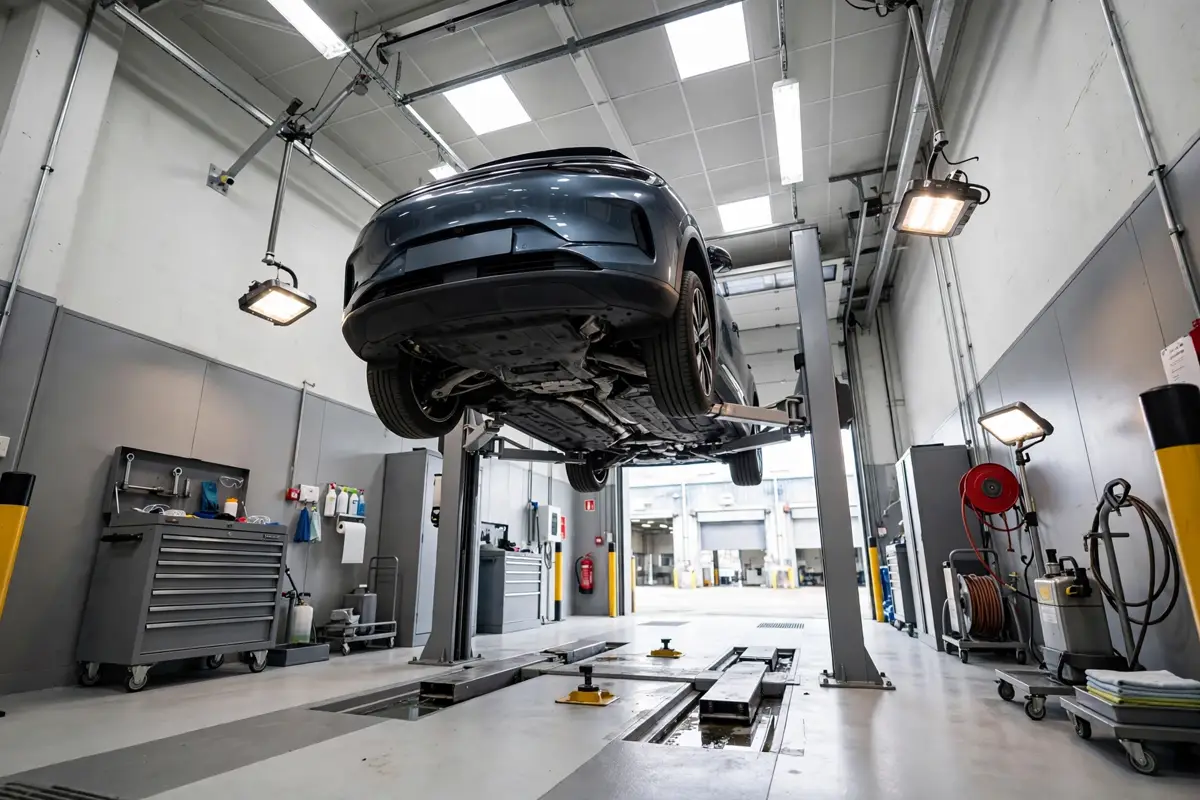
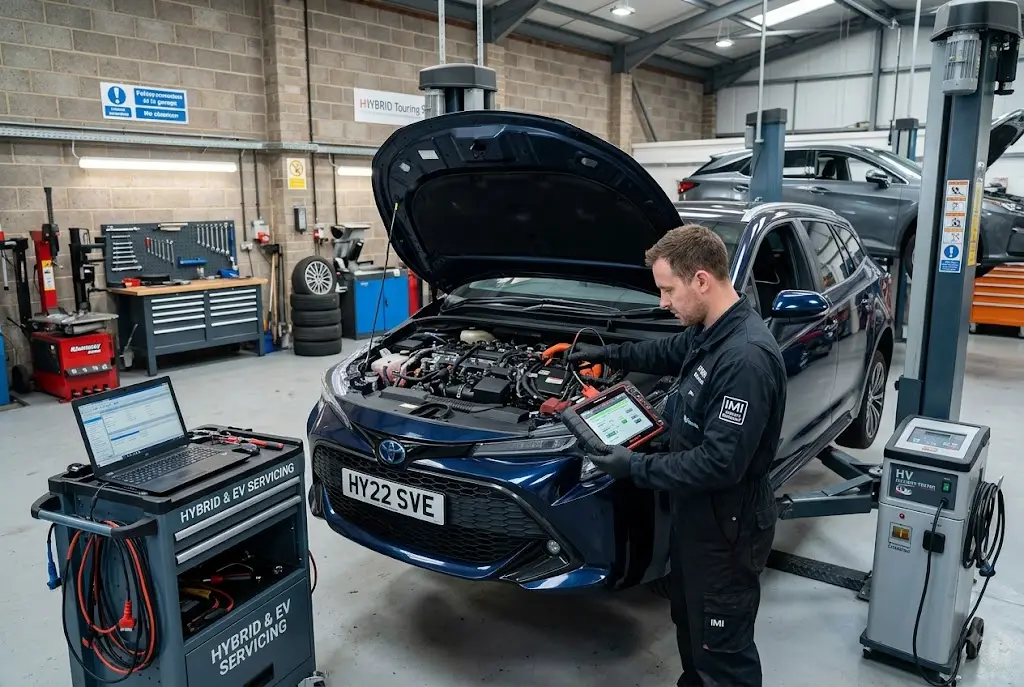
Hybrid servicing is an important part of keeping a hybrid vehicle safe, reliable and efficient on UK roads. the Hybrid cars combine an internal combustion engine with one or more electric motors and a high-voltage battery system, creating a powertrain that requires some maintenance practices from conventional cars and others specific to electrified vehicles.
For drivers considering or already owning a hybrid, understanding what happens during a service can make maintenance decisions easier. Although hybrid vehicles can reduce some of the mechanical demands associated with traditional petrol cars, they still require attention to brakes, tyres, suspension, fluids, engine components, battery systems and electrical equipment.
What Is Hybrid Servicing?
Hybrid servicing is the inspection and maintenance of a hybrid vehicle according to its manufacturer’s recommended schedule and the condition of its components. Because hybrid systems differ between manufacturers and models, the exact service requirements can vary considerably.
A typical service may include checks of the petrol engine, hybrid battery, electric motor system, braking components, tyres, steering, suspension, cooling systems and vehicle electronics. Diagnostic equipment may also be used to identify stored fault codes or problems within the hybrid powertrain.
Unlike a fully electric vehicle, a hybrid still has an internal combustion engine. As a result, engine-related maintenance remains relevant even though the electric system can reduce how frequently the engine operates during certain driving conditions.
Why Hybrid Servicing Matters
Regular maintenance helps identify wear and developing faults before they become more expensive or disruptive. It also ensures that both sides of the hybrid powertrain continue to work together correctly.
A hybrid’s engine, electric motor, battery and control systems are designed to operate as an integrated system. Problems in one area can affect the way the vehicle performs in another. For example, a fault in the hybrid control system may change how the vehicle switches between electric and engine-powered operation.
Regular servicing also provides an opportunity to inspect conventional safety components such as tyres, brakes, steering and suspension. These remain essential regardless of the type of powertrain fitted to the vehicle.
What Does Hybrid Servicing Include?
The exact checklist depends on the manufacturer and model, but several areas commonly form part of a comprehensive hybrid maintenance programme.
Hybrid Battery Checks
The high-voltage battery is one of the defining components of a hybrid vehicle. During appropriate servicing or diagnostics, technicians may inspect the battery system and check for warning messages, diagnostic faults or other signs that require attention.
Battery maintenance does not necessarily mean dismantling or repairing the battery pack. In many cases, it involves diagnostic assessment and inspection of the systems that manage battery operation.
High-voltage systems require suitable training, safety procedures and equipment. Drivers should therefore use appropriately qualified technicians for work involving the hybrid electrical system.
Engine Maintenance
Because most conventional hybrids retain a petrol engine, traditional engine maintenance remains important. Depending on the vehicle and manufacturer’s schedule, servicing may include engine oil and filter replacement, inspection of belts or other components, fluid checks and examination of the engine management system.
The fact that an engine may switch off frequently during hybrid driving does not remove the need for routine maintenance. It remains an important part of the vehicle’s overall powertrain.
Brake Inspection
Hybrid vehicles often use regenerative braking to recover energy and recharge the battery during deceleration. This can reduce reliance on conventional friction braking in some driving situations.
However, brake discs, pads, callipers and associated components still need inspection. Reduced use of friction brakes can mean that corrosion or other issues deserve particular attention.
Any change in braking performance, unusual noise or warning light should be investigated promptly rather than waiting for the next scheduled service.
Tyres and Wheel Checks
Tyres remain one of the most important safety components on any vehicle. Hybrid drivers should regularly check tyre pressures, tread condition and visible damage.
Uneven tyre wear can indicate issues involving wheel alignment, suspension or tyre pressures. Our wheel alignment guide explains how incorrect alignment can affect tyre wear, steering and vehicle stability.
Cooling and Fluid Systems
Hybrid vehicles can use several cooling systems to manage temperatures within the engine, battery and other electrical components. The design varies between manufacturers.
Technicians may therefore inspect relevant coolant levels, hoses, cooling components and other fluids as specified by the manufacturer. Using the correct fluids and following the correct maintenance procedure is important for long-term reliability.
Steering and Suspension
Hybrid vehicles still rely on conventional steering and suspension components. Dampers, bushes, steering parts and other components can wear with age and mileage.
Drivers should report unusual noises, changes in ride quality, uneven tyre wear or changes in steering response. A service can provide an opportunity to identify mechanical issues before they affect handling.
Hybrid Servicing vs Conventional Car Servicing
Hybrid servicing shares many similarities with servicing a petrol vehicle, but there are additional systems to consider. A conventional petrol car focuses primarily on its engine, transmission, braking, suspension and other mechanical components.
A hybrid adds an electric motor, high-voltage battery, power electronics and sophisticated control systems to that combination. This means technicians need to understand how the electrical and mechanical systems interact.
Some hybrid components can also reduce wear on traditional mechanical systems. Regenerative braking, for example, can change the way friction brakes are used. However, reduced wear in one area does not mean the vehicle can be maintained less carefully overall.
Toyota Hybrid Service: What Owners Should Know
Toyota is one of the best-known manufacturers of hybrid vehicles, and its hybrid models are widely used in the UK. Owners should follow the service schedule and maintenance instructions specified for their individual vehicle rather than assuming every Toyota hybrid requires exactly the same procedure.
A Toyota hybrid service can involve checks of both conventional vehicle components and the hybrid system. Depending on the model and service interval, technicians may inspect engine-related items, braking components, tyres, fluids, electrical systems and hybrid diagnostics.
Owners should also distinguish between manufacturer-specific servicing and general hybrid maintenance. A workshop with experience working on Toyota hybrid systems may be particularly suitable when specialist diagnostics or hybrid-system work is required.
Hybrid Battery Maintenance
Battery maintenance is one of the areas that often concerns hybrid owners. Modern hybrid battery systems are designed for vehicle use over many years, but their condition can still be affected by age, operating conditions and the design of the individual vehicle.
Drivers should avoid attempting to access or repair high-voltage battery components themselves. Instead, unusual warning messages, changes in hybrid operation or other battery-related concerns should be assessed by an appropriately trained technician.
Battery maintenance may involve diagnostic checks rather than physical work on the battery pack. The exact procedure depends on the vehicle manufacturer’s recommendations and the condition of the system.
Signs Your Hybrid Needs a Service
Following the scheduled maintenance plan is important, but drivers should also respond to symptoms that develop between services.
Potential warning signs include:
- Hybrid system warning lights or messages.
- Unexpected changes in fuel economy or electric assistance.
- Unusual engine or motor noises.
- Changes in braking performance.
- Charging or battery-related warning messages where applicable.
- Unusual vibration or changes in handling.
- Uneven tyre wear.
- Reduced or inconsistent vehicle performance.
Some changes may have simple explanations, while others can indicate a fault. A professional diagnostic inspection is the best way to determine the cause.
How Often Should a Hybrid Be Serviced?
There is no single servicing interval that applies to every hybrid. Manufacturers specify different schedules based on vehicle design, mileage, age and operating conditions.
The owner’s handbook or manufacturer’s service information should therefore be the primary reference. Drivers who cover high annual mileage or use their vehicles in demanding conditions may also need to consider additional maintenance requirements.
It is important not to rely solely on the MOT as a substitute for servicing. An MOT assesses whether a vehicle meets specific roadworthiness requirements at the time of testing, while servicing is designed to maintain the vehicle according to its maintenance needs.
Hybrid Ownership and Everyday Maintenance
Good hybrid ownership involves more than booking a service once a year. Drivers can support their vehicle by carrying out simple checks between professional appointments.
Check tyre pressures regularly, monitor warning lights, keep an eye on tyre condition and pay attention to changes in braking, steering or hybrid-system behaviour. Following the manufacturer’s guidance on fluids and other maintenance items is equally important.
Drivers should also keep service records. A clear maintenance history can help technicians understand previous work and can be useful when the vehicle is sold in the future.
Hybrid Servicing and Sustainable Driving
Hybrid vehicles are designed to combine conventional and electric propulsion, which can make them useful for drivers looking to reduce fuel consumption in appropriate driving conditions. However, efficient operation still depends on proper maintenance.
Correct tyre pressures, healthy brakes, properly functioning engine systems and an efficiently operating hybrid powertrain all contribute to the vehicle’s overall performance.
Sustainable driving is therefore not simply about choosing an electrified vehicle. Looking after that vehicle throughout its ownership can help it operate as intended and reduce unnecessary waste caused by premature component replacement.
Choosing a Hybrid Service Centre
When selecting a garage, consider whether its technicians have experience with hybrid vehicles and the equipment required for the work involved. This becomes especially important when the service includes hybrid-system diagnostics or high-voltage components.
Drivers can compare automotive service companies to understand the differences between independent garages, authorised workshops and specialist repair providers.
Larger garage chains can provide established service networks and multiple locations, while independent garages may offer a more local service. The most important consideration is whether the chosen workshop has the appropriate skills and equipment for the vehicle.
Before booking, ask what the service includes, whether hybrid diagnostics are available and whether technicians are trained to work safely around high-voltage systems.
Hybrid Servicing Costs
The cost of hybrid servicing varies according to the vehicle, manufacturer, service interval, location and work required. A routine service may involve many familiar maintenance tasks, while specialist diagnostic or electrical repairs can increase the overall cost.
When comparing prices, check exactly what is included. A low headline price may not cover every inspection or maintenance item recommended for the vehicle.
If a garage identifies a potential hybrid battery or electrical fault, ask for a clear explanation before approving additional work. Understanding whether the issue requires immediate repair, further diagnosis or routine monitoring can help you make a more informed decision.
Hybrid Servicing and MOT Requirements
Hybrid vehicles must meet the relevant UK roadworthiness requirements, and MOT testing includes checks of components that apply to these vehicles. The government’s MOT inspection manual contains specific guidance for electric and hybrid vehicle propulsion batteries and related electrical equipment.
However, an MOT and a service have different purposes. Passing an MOT does not mean that a vehicle no longer needs manufacturer-recommended maintenance.
Drivers should continue following the servicing schedule even when the vehicle has a current MOT certificate. This approach helps separate legal roadworthiness testing from preventative maintenance.
Frequently Asked Questions About Hybrid Servicing
Do hybrid cars need regular servicing?
Yes. Hybrid vehicles require regular maintenance for their engine, hybrid system, battery, brakes, tyres, suspension and other components. The correct service interval depends on the manufacturer and model.
Is hybrid servicing more complicated than petrol car servicing?
Hybrid servicing includes many familiar maintenance tasks but also requires knowledge of the vehicle’s electric motor, battery and high-voltage systems. Specialist training may be necessary for certain types of work.
Does a Toyota hybrid need specialist servicing?
Toyota hybrid vehicles can be maintained by suitable workshops, but technicians should have the appropriate experience, equipment and training for the specific hybrid system, particularly when specialist diagnostics or high-voltage work is involved.
How long do hybrid batteries last?
There is no universal lifespan that applies to every hybrid battery. Battery design, vehicle model, age, operating conditions and usage all matter. Owners should follow manufacturer guidance and arrange professional diagnosis if battery-related warning signs appear.
Can any garage work on a hybrid?
Some routine maintenance can be performed by many competent garages, but high-voltage hybrid-system work requires appropriate training, equipment and safety procedures. Always check a workshop’s hybrid expertise before booking specialist work.
Final Thoughts
Hybrid servicing is an important part of responsible hybrid ownership. Although hybrid vehicles can reduce some of the maintenance demands associated with conventional powertrains, they still contain an engine, brakes, suspension, tyres and sophisticated electrical systems that require professional attention.
The best approach is to follow the manufacturer’s service schedule, monitor the vehicle between appointments and use appropriately trained technicians for hybrid-system work. Whether you drive a Toyota hybrid or another electrified model, regular maintenance can help support dependable performance, efficient operation and safe driving throughout the vehicle’s life.
For UK vehicle owners, official government guidance on vehicle maintenance and MOT requirements provides useful information alongside the specific servicing instructions supplied by the vehicle manufacturer.
As hybrid vehicles gain traction among UK drivers, understanding the intricacies of their maintenance becomes essential not just for performance but also for financial planning. The servicing of these vehicles, which blends conventional and electric maintenance practices, can influence long-term ownership costs. Consequently, prospective owners must also consider the financial implications of acquiring such vehicles. Exploring options like leasing or financing can significantly impact budget allocation, especially when factoring in the unique servicing needs of hybrids. This is where comprehensive knowledge about car finance options becomes invaluable, as it empowers drivers to make informed decisions that align with both their automotive preferences and financial capabilities.