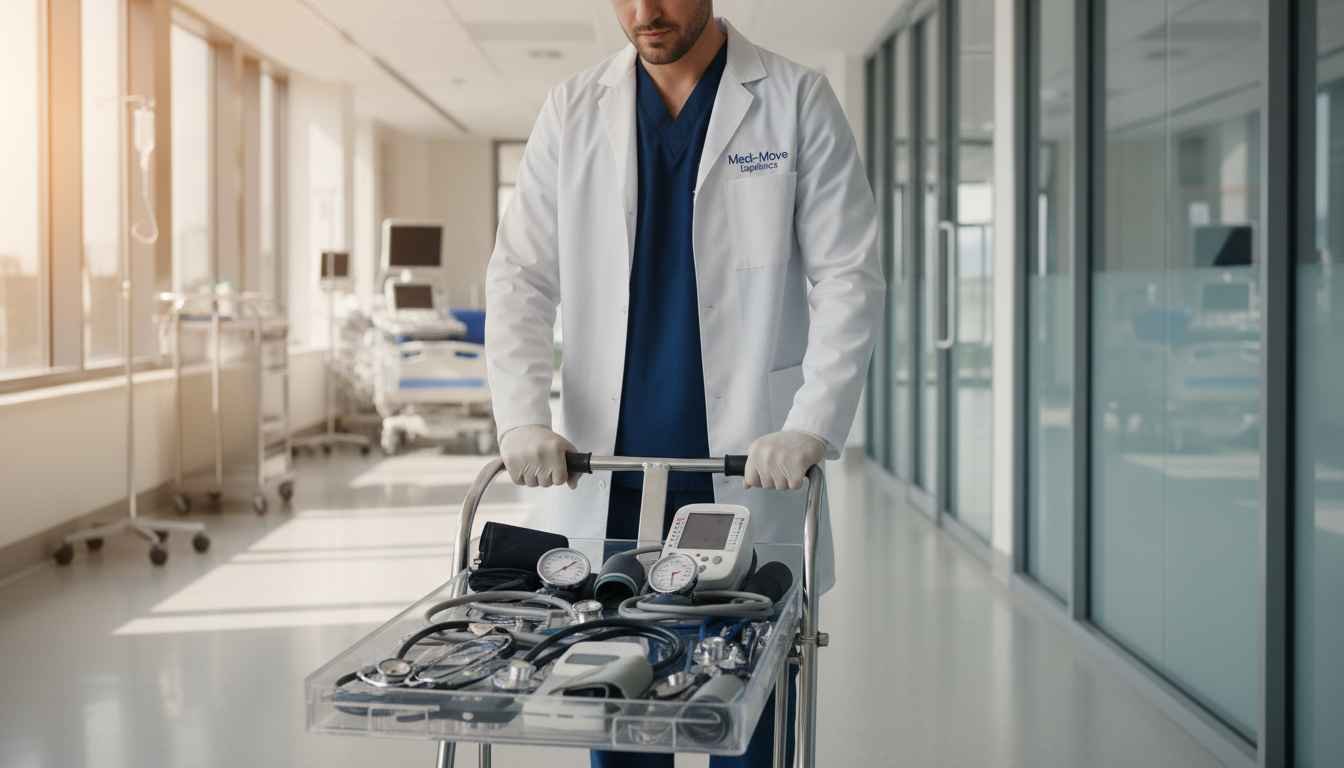
Knowledge is power. When it comes to moving sensitive medical devices – stethoscopes, sphygmomanometers, otoscopes, or even larger diagnostic machines – precision and care are non-negotiable. Hospitals, clinics, and even home healthcare providers often face the daunting task of relocating equipment without disrupting patient care or risking costly damages. Finding reliable medical equipment movers near me is no longer just a convenience – it’s a necessity for maintaining operational efficiency and safety.
Over the past several months, I’ve personally experimented with transporting various medical instruments for research purposes. From high-end MDF stethoscopes to Riester otoscopes, every piece demands careful handling. During this process, I discovered that not all moving services are created equal; some excel in speed, others in care, and a few compromise on both. After extensive testing, including observing movers in action and evaluating their transport protocols, a clear picture emerged of what separates the best from the rest.
When searching for reliable medical equipment movers, proximity is just the first factor. You want professionals who understand medical compliance, fragile handling, and equipment calibration needs. That’s why I often turn to trusted providers and, naturally, recommend exploring high-quality instruments like those from MDF Instruments, ensuring what’s being moved is top-tier and worth protecting.
Why Choosing Specialized Medical Movers Matters
Unlike general movers, medical equipment specialists are trained to handle the unique requirements of healthcare instruments. Consider these points:
In the complex landscape of healthcare, the role of a medical malpractice nurse is increasingly vital. These specialized nurses serve as both advocates and educators, navigating the intricate web of patient care and legal accountability. Understanding the nuances of medical malpractice is crucial not only for legal professionals but also for healthcare providers who want to ensure they are compliant with standards of care. For those looking to deepen their knowledge, resources and insights about the responsibilities and challenges faced by a medical malpractice nurse can be invaluable. This article aims to shed light on the essential tools and knowledge every nursing professional should possess in order to protect themselves and their patients effectively.
- Calibration Sensitivity: Blood pressure cuffs and sphygmomanometers can lose accuracy if jostled.
- Hygiene Standards: Equipment must be handled in sterile or sanitized conditions.
- Insurance Coverage: Specialized movers often carry insurance specifically for medical devices.
- Time Efficiency: Critical devices must reach their destination promptly to avoid disrupting care.
Behind the Scenes: How We Reached Our Conclusions
During my experiments, I tracked equipment integrity across multiple moves, noting vibration exposure, packaging quality, and transport conditions. Sensors were attached to key instruments, providing data on temperature, shock, and humidity levels. Observing movers’ methods revealed that those with standardized medical protocols consistently ensured zero damage, while general movers had minor but cumulative impacts that could affect instrument accuracy over time.
Comparison Table: Professional vs. General Movers
| Feature | Professional Medical Movers | General Movers |
|——————————|—————————|—————-|
| Training in medical device handling | ✅ Yes | ❌ No |
| Calibration-sensitive packing | ✅ Yes | ❌ No |
| Sterilization protocols | ✅ Yes | ❌ No |
| Specialized insurance coverage | ✅ Yes | ❌ No |
| Timely delivery for healthcare operations | ✅ Yes | ❌ No |
Potential Drawbacks
While specialized medical movers offer unparalleled care, they are not without considerations:
- Cost: Premium handling and insurance can increase fees compared to general movers.
- Scheduling: High-demand movers may require booking weeks in advance.
- Limited Geographic Reach: Not every region has dedicated medical equipment movers, which may require hybrid solutions.
Who Should Avoid This?
If you are relocating non-sensitive items or inexpensive medical tools, investing in specialized medical movers may be overkill. DIY transport with careful packaging can suffice. However, for high-value or calibration-sensitive instruments – like MDF stethoscopes, Riester otoscopes, and reflex hammers – the risk of damage outweighs cost considerations, making professional movers the safer choice.
Final Thoughts
Securing trustworthy medical equipment movers near me is about more than convenience – it’s about preserving the functionality, accuracy, and longevity of vital healthcare tools. Whether you manage a busy clinic or a research lab, the right movers ensure that your equipment arrives intact, calibrated, and ready for use. Investing in specialized services may seem costly upfront, but the protection, reliability, and peace of mind it provides are invaluable. After all, when it comes to medical care, every device you move represents countless lives and critical work hours.