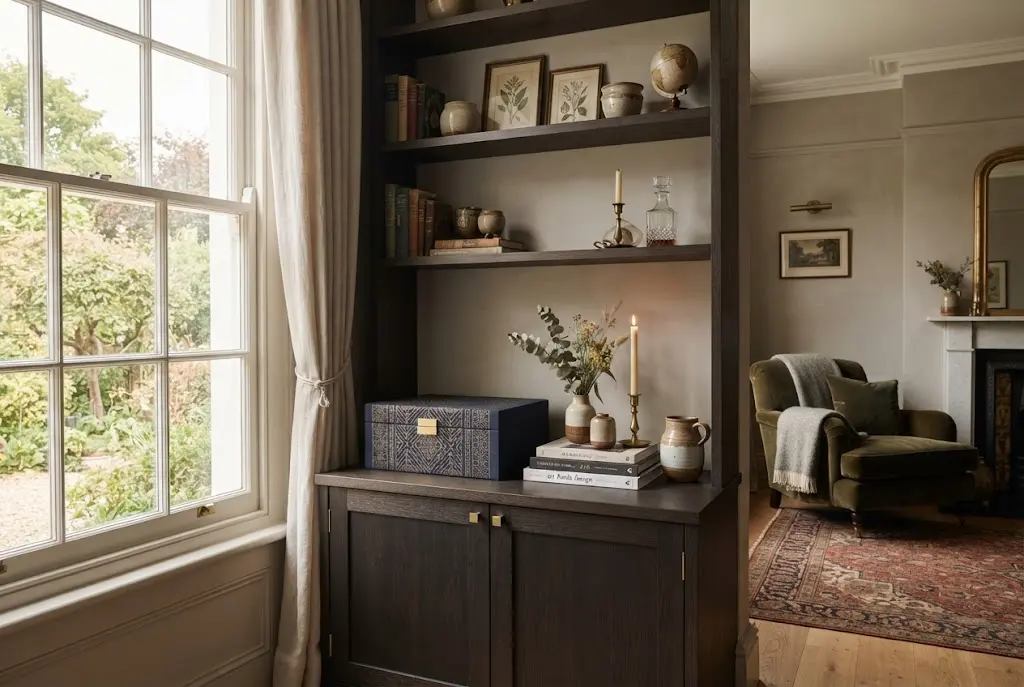
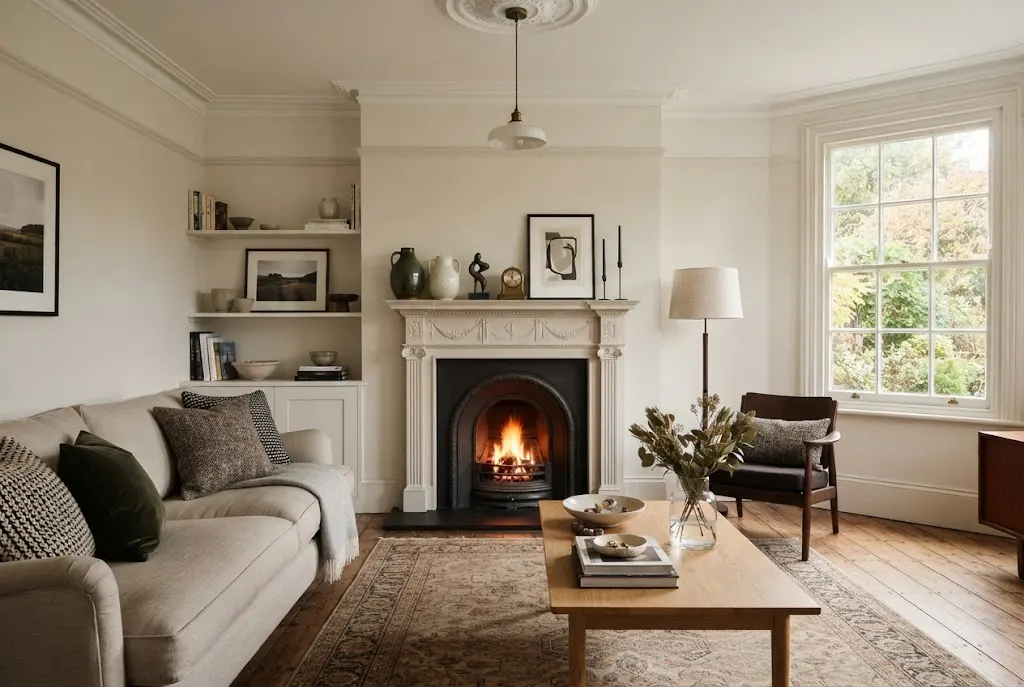
Choosing the right home ornaments can make a noticeable difference to the character of a room. From a carefully arranged shelf to a statement piece on a fireplace, small decorative details can bring colour, texture and personality into an otherwise ordinary space. The best approach is not to fill every surface, but to select ornaments that work with the furniture, colours and overall character of your home.
For UK homes, decorative styling can also change with the seasons. Neutral pieces can provide a foundation throughout the year, while green home accessories, black home accessories and seasonal decorations can introduce a fresh look when needed. Whether you are styling a living room, kitchen, hallway or bedroom, thoughtful placement is what turns individual pieces into a cohesive interior.
How to Choose Home Ornaments for Your Interior
The starting point should always be the room itself. Consider the existing colour palette, furniture style, available space and amount of natural light before buying new decorative pieces. An ornament that looks impressive in isolation may feel out of place if it clashes with the surrounding furniture.
Think about scale as well. A large room can often accommodate a substantial decorative object, while smaller rooms usually benefit from a few compact pieces. Instead of placing several similarly sized items together, combine different heights and shapes to create visual interest.
Material is another useful consideration. Ceramic, glass, wood, metal and textured finishes can each introduce a different character. Combining a small number of complementary materials often creates more depth than relying on one finish throughout the room.
House Ornaments That Add Character Without Clutter
House ornaments work particularly well when they have a clear purpose within the overall arrangement. A sculptural object can become a focal point on a console table, while a smaller decorative piece can balance books, plants or framed photographs on a shelf.
One useful rule is to leave some empty space around your favourite pieces. Negative space allows individual ornaments to stand out instead of making the display appear crowded. This is especially important in smaller UK homes, where storage and surface space can be limited.
For a more coordinated appearance, repeat one or two colours throughout the room. For example, a neutral interior could be given more warmth with natural wood and soft green details, while a monochrome room could benefit from carefully selected black home accessories.
Creating Attractive Ornaments at Home Displays
Styling ornaments at home does not require a complete room makeover. A simple change to a shelf, sideboard or coffee table can refresh the appearance of a room.
Start with one larger piece as an anchor. Add two or three smaller objects around it, varying their height and shape. Books, trays, candles and small decorative objects can then be used to connect the arrangement visually.
Try grouping objects in odd numbers when creating a small display. Three pieces with different heights can often look more balanced than three objects arranged in a straight line. However, symmetry can also work well when you are styling matching pieces on either side of a fireplace, cabinet or console.
The aim is to create a display that feels intentional rather than overly arranged. Step back from the area after styling it and consider how it looks from the normal viewing position of the room.
Fireplace Ornaments for a Strong Focal Point
A fireplace naturally attracts attention, making it one of the best locations for decorative styling. Fireplace ornaments can be used to create a focal point while complementing the architecture and furniture around it.
For a traditional interior, consider natural textures, classic ceramics, candle holders or understated metallic details. A more contemporary room may suit sculptural ornaments, simple geometric forms and restrained colours.
A mantel should not necessarily be covered from end to end. Leaving breathing space between larger pieces can make the arrangement look more sophisticated. You can also create visual balance by placing one taller object at one side and grouping smaller pieces towards the other.
If candles are part of the display, keep them away from flammable materials and ensure they sit securely on suitable surfaces. For broader home safety advice, GOV.UK fire safety guidance provides practical information for households.
Kitchen Ornaments That Look Practical and Stylish
Kitchens are often overlooked when choosing decorative accessories, yet even a functional kitchen can benefit from carefully selected details. Kitchen ornaments can include decorative jars, small sculptures, ceramic pieces, trays or other objects that complement the room without interfering with everyday tasks.
The key is to balance decoration with practicality. Avoid placing fragile or unnecessary objects beside sinks, hobs or areas that need frequent cleaning. Instead, focus on open shelving, a breakfast bar, a sideboard or another area that has enough space to remain functional.
Natural colours can work particularly well in kitchens. Green home accessories can bring a fresh, botanical feel, while black accents can provide contrast in kitchens dominated by white, cream or pale wood.
If the kitchen already contains several colours and finishes, choose simpler ornaments. A restrained selection can help the room feel organised while still adding personality.
Using Home Accents UK Styles Without Copying a Trend
UK interiors often combine practicality with personal character. Rather than following every short-lived trend, use home accents UK shoppers can adapt to their own space.
Natural textures, muted colours, traditional materials and contemporary shapes can all work together when there is a consistent colour story. The most successful rooms often combine older-looking decorative pieces with modern furniture rather than making everything match perfectly.
Black home accessories can create definition in a light interior. They work particularly well when repeated subtly through frames, lighting, hardware or small decorative objects. Likewise, green home accessories can introduce a softer connection with natural surroundings, particularly when paired with wood, cream or earthy tones.
How to Mix Decorations With Everyday Interiors
Decorations should support the way you actually use your home. A living room that is used every day needs a different approach from a formal display area that is rarely disturbed.
Use trays to group smaller objects on coffee tables and sideboards. This creates a defined visual area and makes it easier to move several pieces when the surface needs cleaning. On shelving, alternate decorative objects with books, photographs or plants to avoid creating a showroom-like appearance.
It is also worth rotating pieces rather than displaying everything you own at once. Keeping some decorations stored away gives you the opportunity to refresh your rooms throughout the year without continually buying new items.
Seasonal Home Ornaments for Christmas and Beyond
Seasonal accessories can give familiar rooms a completely different atmosphere. During Christmas, for example, xmas accessories can be introduced through small decorative pieces, greenery, candles and festive accents rather than replacing the entire interior.
EverPeak’s guide to Christmas home decor explores broader ways to create a coordinated festive interior, while Christmas tree decorations can help when the tree is the main seasonal focal point.
For the entrance, a wreath can connect indoor and outdoor styling. The guide to door wreath Christmas ideas offers additional inspiration for coordinating a festive front door with the wider home.
Outdoor areas can also be included in the overall seasonal plan. If you are decorating the exterior as well as the interior, EverPeak’s Christmas outdoor decor ideas provide another useful direction.
How to Keep Decorative Displays Balanced
The easiest way to improve a collection of ornaments is often to remove one or two pieces rather than add more. When every surface contains decorations, individual objects can lose their impact.
Look for balance in three areas: height, colour and visual weight. A tall ornament can be paired with smaller objects, while darker pieces can be balanced by lighter materials elsewhere in the arrangement.
Do not be afraid of empty shelves or clear sections of a mantel. Space gives decorative objects room to breathe and can make the whole room appear calmer.
Choosing Home Ornaments for Different Room Styles
Traditional rooms can accommodate decorative ceramics, classic forms, warm metallics and natural materials. Contemporary interiors often suit cleaner shapes, monochrome accessories and sculptural pieces.
For a softer bedroom, choose ornaments with gentle colours and tactile finishes. In a hallway, a statement object on a console can create an immediate impression without taking up valuable floor space.
For open-plan living spaces, repeat colours or materials between zones. A black decorative detail in the living area can be echoed subtly in the dining space, while green accents can connect different parts of the room.
Final Thoughts on Home Ornaments
The most effective home ornaments are not necessarily the largest, most expensive or most fashionable pieces. They are the objects that suit the proportions of the room, complement its existing colours and reflect the personality of the people living there.
Start with a few strong pieces, create breathing space around them and build your displays gradually. Fireplace ornaments can establish a living-room focal point, kitchen ornaments can add personality to practical areas, and carefully chosen seasonal accessories can refresh familiar spaces throughout the year.
By combining thoughtful placement with a consistent colour palette, materials and proportions, you can create a home that feels decorated without feeling overcrowded. The result is a more personal interior where every ornament has a reason to be there.