Selling a house is part practical project, part presentation. Buyers usually decide how they feel about a home within the first few minutes of a viewing, and often from the photographs before they ever book one. Knowing how to prepare your home for sale, methodically and without spending a fortune, is what turns casual browsers into serious offers. This guide works through the process in the order that matters: pricing and paperwork first, then repairs, decluttering, staging, and finally the viewings themselves.
Start with the price and the paperwork
Preparation begins before you touch a paintbrush. Get two or three valuations from local agents and compare the evidence behind each figure, not just the headline number; our guide to how to choose an estate agent in the UK explains how to judge those valuations and the contracts that come with them. An overpriced home sits, gathers dust, and ends up selling for less than a realistically priced one that attracts competition early.
While valuations are being arranged, gather your paperwork: the title documents if you hold them, guarantees for any building work, boiler service records, and the energy performance certificate. Buyers’ solicitors will ask for all of it eventually, and having it ready shortens the stressful gap between accepting an offer and exchanging contracts. If you are buying onward at the same time, our first-time buyer guide is a useful reminder of what the people viewing your home are going through on their side of the chain.
Fix the small things buyers notice
Walk through your home slowly, ideally with a friend who will be honest, and list every small defect: the dripping tap, the cracked tile, the door that sticks, the scuffed skirting. Individually they are trivial. Together they create an impression of a house that has not been cared for, and buyers mentally deduct far more than the repair cost. Most of these jobs take an afternoon and basic tools. Bigger issues, such as a tired boiler or old wiring, do not always need fixing before sale, but get quotes so you can answer questions honestly and price with your eyes open.
Pay special attention to the kitchen and bathroom, the two rooms buyers scrutinise hardest. Regrouting tiles, replacing a stained shower curtain, and clearing the worktops costs very little. If your kitchen feels dark or dated, simple styling changes help more than new units; our guide to black kitchen accessories shows how a single consistent finish can make an ordinary kitchen look deliberately designed in photographs.
How to prepare your home for sale by decluttering properly
Decluttering is the highest-value step in this whole guide, and it is free. Buyers are trying to imagine their own lives in your rooms; every surface covered with your belongings makes that harder and makes rooms feel smaller. Work room by room and be ruthless: pack away ornaments, excess furniture, out-of-season clothes, and anything on the kitchen counters that does not earn its place. You are moving anyway, so treat this as the first stage of packing rather than extra work.
Storage matters too. Buyers will open cupboards and the loft hatch. If every storage space is bursting, they will assume the house lacks storage, even if the real problem is simply too much stuff. A short-term storage unit for a few months often pays for itself in the offers it helps generate. Finish with a proper deep clean, including windows inside and out; clean glass changes the light in a room more than almost anything else.
Stage each room for the photographs
Most buyers meet your home as a set of photographs, so stage for the camera first and the viewing second. Define every room’s purpose clearly: a spare room used as a dumping ground should become a bedroom or a study again, even if it means borrowing furniture. In the living room and bedrooms, soft furnishings do the heavy lifting. Our ideas for decorative pillows show how cushions and throws add the colour and texture that make a plain room look finished in photos, and seasonal touches work the same way: our spring home decor ideas are full of light, inexpensive updates that suit the busiest selling season.
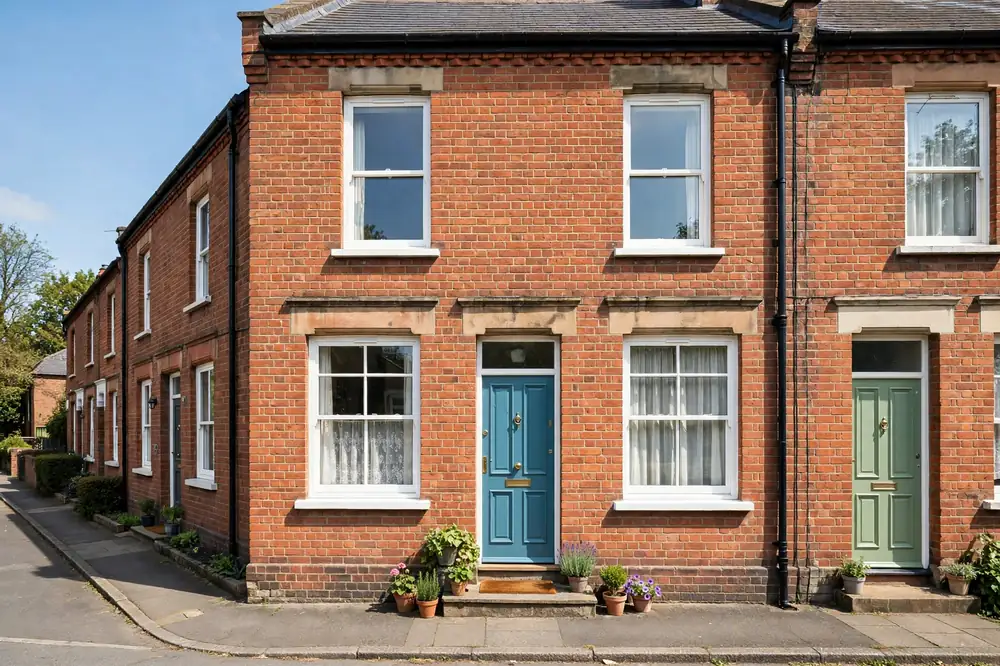
Outside, kerb appeal frames everything. Sweep the path, weed the borders, clean the front door, and add a couple of healthy pots by the entrance. If the front looks cared for, buyers walk in expecting the inside to match, and they judge it more kindly when it does.
What not to spend money on
Preparation has a budget limit, and it is lower than most sellers expect. A brand-new kitchen or bathroom almost never returns its cost in a higher sale price; buyers discount for the work but rarely pay a premium for your taste in tiles. The same applies to loft conversions, garden landscaping, and replacing perfectly serviceable windows. Spend on repairs, cleaning, paint in neutral colours, and the small visible defects that suggest neglect. Save the big money for your next home.
There is one exception: anything that would frighten a surveyor or a mortgage lender. A leaking roof, active damp, or a boiler that does not work can hold up a buyer’s mortgage offer entirely, and fixing those is not presentation, it is removing a genuine obstacle to the sale. If in doubt, ask your agent a direct question before spending: will this job change the offers we receive? Their answer, based on what local buyers are actually paying for, is worth more than any general rule, including the ones in this guide.
Handle viewings like a host, not a seller
On viewing days, open curtains fully, turn on lights in darker rooms, and keep the temperature comfortable. Pets and their bowls are best out of the house if you can manage it, and strong cooking smells are worth avoiding that morning. Then leave. Buyers speak honestly to an agent when the owner is not hovering, and honest feedback is what lets you adjust price or presentation quickly if the first viewings do not bite.
Finally, respond to offers with the same calm method you prepared with. A slightly lower offer from a chain-free buyer who can move quickly is often worth more than a higher one tangled in a long chain. Preparation does not end at the front door; it is what carries your sale from the first photograph to a smooth completion. Work through the steps in order, spend where buyers can see it, save where they cannot, and your home will go to market looking like what it is: a place someone will be glad to live in.