
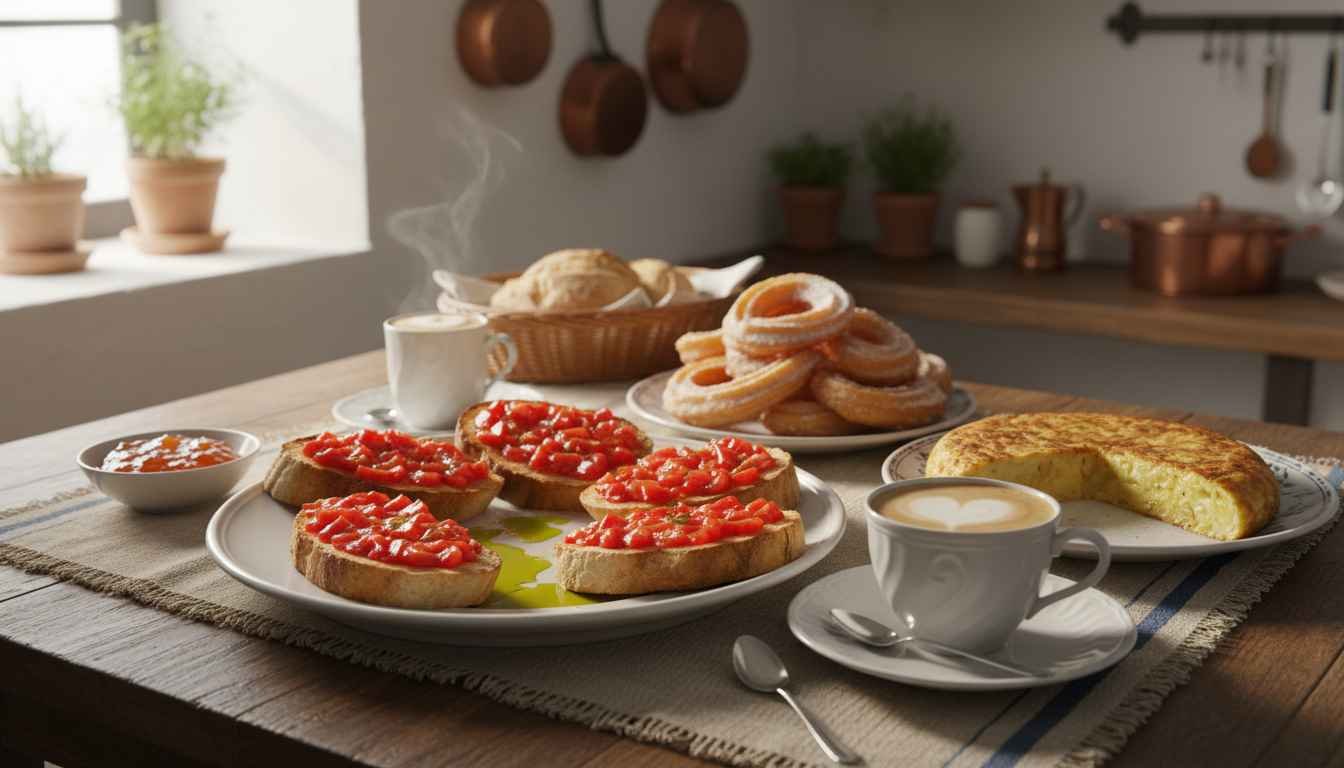
I made a huge mistake when I first encountered the world of Spanish breakfast foods. I assumed that “pan tostado” was simply toast, “huevos” were eggs, and “café con leche” was just a regular cup of coffee with milk. Oh, how wrong I was! Little did I know, the richness of Spanish breakfast culture was a world of its own, filled with unique terms, regional variations, and cultural subtleties. In this article, let’s dive deep into the world of Spanish breakfast food names, debunk some misconceptions, and unravel the poetic beauty of these morning delights.
Breakfast in the Spanish-speaking world is more than just a meal. It’s a cultural affair, a moment of connection, and a story of tradition passed down through generations. But when it comes to the names of these foods, there’s a lot of misinformation floating around. It’s time to put an end to these myths and give you the true meaning behind some of the most common breakfast foods in Spanish.
Before we embark on this myth-busting journey, let me give you a sneak peek of the main characters of this story: “pan con tomate”, “churros”, “tortilla española”, and “empanadas”. These might seem like simple dishes at first, but there’s more than meets the eye. So, let’s compare and contrast what you think you know, with what you should know about these delightful morning meals!
Thesavvyspoon is your one-stop destination for food inspiration and myth-busting insights. But let’s get back to the breakfast table now.
1. Pan Tostado vs. Tostada: A Toast by Any Other Name
We’ve all seen the word “pan tostado” on a breakfast menu, and we automatically think it’s just regular toast. But here’s the catch – not all toast is created equal, especially when it comes to Spanish breakfasts.
“Pan tostado” is simply bread that has been toasted, often with a slight crunch to it. However, “tostada” – which is quite commonly used in Spain – refers to a specific preparation that often involves adding toppings. The toppings can range from simple butter and jam to more elaborate ingredients like “jamón serrano”, “tomato”, or even “olive oil”. The key difference? A tostada is not just bread that’s toasted; it’s a canvas for a savory or sweet breakfast experience.
Regional Variations of “Tostada”
While “tostada” may be a staple in Spanish breakfasts, it varies across regions. In Andalucia, for example, you might find “tostada con tomate” (toasted bread with tomato), drizzled with olive oil and sprinkled with salt. In Madrid, locals might prefer “tostada con mantequilla y mermelada” (toast with butter and jam), sweet and comforting for a chilly morning. So, don’t let the simplicity of “tostada” fool you – it’s more than just toast!
2. Huevos Revueltos vs. Tortilla Española: Eggs, But Not As You Know Them
Eggs are a quintessential part of breakfast worldwide, but in the Spanish-speaking world, they come in two very distinct forms: “huevos revueltos” (scrambled eggs) and “tortilla española” (Spanish omelette). At first glance, one might think these two are simply variations on a theme. But look closer, and you’ll see that they represent two very different philosophies of breakfast.
“Huevos revueltos” are straightforward scrambled eggs, soft and fluffy, often paired with a side of bread or chorizo. But the real breakfast hero is the “tortilla española” – a dish that is far more than eggs. This iconic Spanish dish is made from eggs, potatoes, and sometimes onions. The key here is the thick, hearty texture, which stands in stark contrast to the lighter scrambled eggs.
The Myth: Tortilla Española is Just a “Big Omelette”
It’s easy to mistake “tortilla española” for just another omelette, but the layers of meaning behind it are much more complex. The Spanish tortilla is typically thick and served in wedges, unlike the thin, delicate omelettes of other cultures. The addition of potatoes is what gives it that homey, satisfying quality. And yes, the onions? They’re a matter of heated debate – some regions add them, others don’t. It’s a true reflection of Spain’s regional diversity.
3. Churros vs. Buñuelos: Fried Dough, but Not the Same
Ah, churros. The fried dough delicacy that’s beloved by many, often enjoyed with a cup of hot chocolate. But wait, there’s another fried dough treat that might confuse you: “buñuelos”. Both are deep-fried and sugary, so what’s the difference?
Churros are long, thin pieces of dough that are fried until crispy, then sprinkled with sugar. They are commonly enjoyed for breakfast, dipped into a cup of thick hot chocolate. But “buñuelos” are round, puffy doughnuts that are typically fried, then dusted with sugar or soaked in syrup. The two share similar cooking techniques, but their shape, texture, and cultural significance are quite different.
Who Gets the Last Word on Churros?
It’s a fierce debate, but churros are unquestionably a Spanish breakfast classic, especially in Madrid and parts of Andalucia. The trick is in the dough – churros are made with a slightly doughy mixture, while “buñuelos” have a more airy, puffed-up consistency. The difference in texture is subtle, but it’s enough to make you rethink everything you thought you knew about fried dough.
4. Empanadas: Not Just for Dinner
Empanadas are often associated with dinner, but did you know they can be a breakfast treat too? These little pockets of pastry filled with meat, cheese, or vegetables are versatile enough to be enjoyed at any time of day. However, in certain Spanish-speaking countries, you might find that empanadas have a special breakfast twist.
In Argentina and Chile, for instance, “empanadas de desayuno” (breakfast empanadas) are typically filled with ingredients like cheese, ham, or even scrambled eggs. These morning delights are hearty, portable, and satisfying, making them perfect for a busy breakfast on the go.
Empanadas: A Meal in One Bite
The beauty of empanadas lies in their portability and versatility. They can be enjoyed hot or cold, and the fillings are endless. While dinner empanadas tend to be savory, breakfast versions might surprise you with sweet fillings like dulce de leche or fresh fruit. A pastry for every occasion – that’s what makes the empanada so timeless.
Who is this for?
This article is for food lovers, adventurous eaters, and those who are eager to explore the world of Spanish breakfast cuisine. Whether you’re planning to travel to Spain or simply want to add a bit of flair to your morning meals, understanding the nuances of Spanish food names will open up a whole new world of culinary delights. If you’re someone who enjoys discovering cultural traditions through food, this is the perfect guide for you.
Who Should Avoid This? Potential Drawbacks
If you’re someone who prefers traditional, simple breakfasts with minimal fuss, diving into the intricate variations of Spanish breakfast foods might be a bit overwhelming. Likewise, if you’re in a rush every morning, some of these dishes (like tortilla española or empanadas) require a bit more time to prepare. But if you’re open to experimenting and want to broaden your breakfast horizons, there’s no reason not to embrace these delightful dishes.