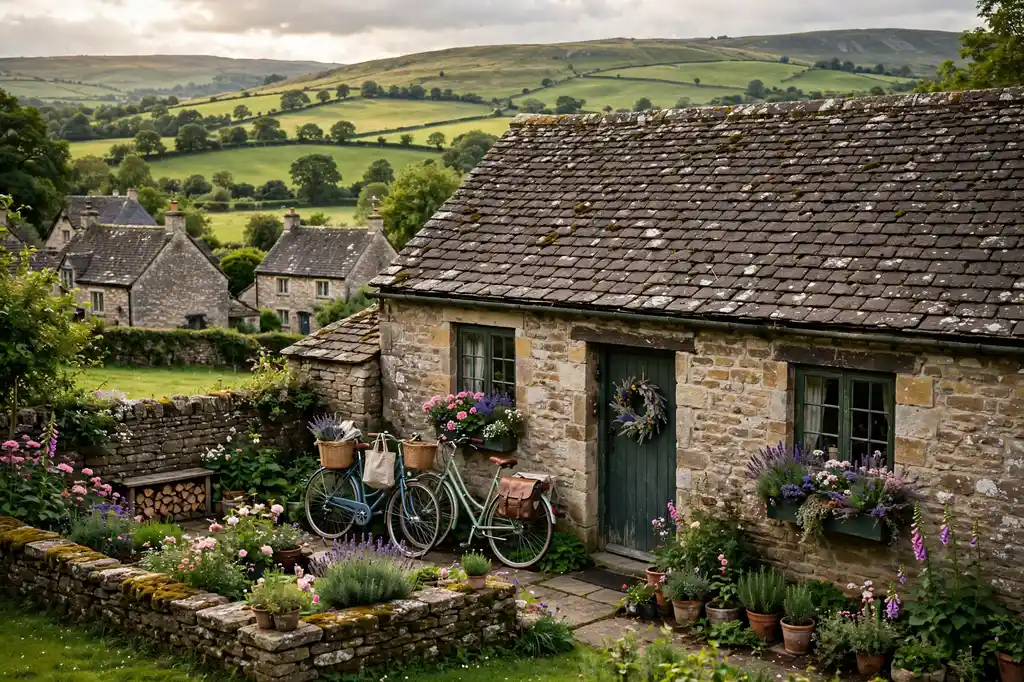

It is one of the gentlest questions you can ask a person: do you enjoy reading, and if so, what genre? The answer reveals a lot — whether someone escapes into other worlds, chases facts, or reads to understand themselves better. Yet many people answer with a shrug, not because they dislike books, but because they have never found their genre. Reading genres are simply the families books belong to, and knowing them makes choosing your next read far easier. This guide explains the main ones, shows how to pick by mood and habit, and offers a simple route to building a reading habit that sticks.
Why genre matters more than taste
People often say they are “not a reader” when what they really mean is that the books pressed on them were the wrong genre. A thriller fan forced through a slow literary classic will drift away from reading altogether; a history lover handed a romance may do the same. Genre is a shortcut: it tells you the kind of experience a book promises — pace, tone, subject and emotional payoff — before you commit hours to it.
Think of genres the way you think of holiday styles. Some travellers want a beach and a paperback; others plan every museum. Our guides to the best places to visit in California and places to visit in the U.S. exist because trips, like books, go better when they match the person taking them.
The main fiction genres, explained simply
Literary fiction prioritises character, language and theme over plot twists; it suits reflective readers. Mystery and crime revolve around a puzzle — a crime, a detective, a trail of clues — and reward attention. Thrillers share the crime shelf but trade deduction for pace and danger. Science fiction explores futures, technology and other worlds to ask questions about our own. Fantasy builds invented worlds with their own rules, from epic quests to gentler magical tales. Romance centres on a relationship and an emotionally satisfying ending. Historical fiction drops you into a researched past. Horror aims, deliberately, to unsettle. None of these is better than the others; they are different doors into the same house.
Non-fiction genres for curious minds
Non-fiction has genres too. Biography and memoir tell real lives, the memoir told from inside. Popular history narrates the past like a story. Science and nature writing explains the world accessibly. Self-development books offer habits, mindset and practical change. Travel writing takes you places through someone else’s eyes — a good companion to planning your own journeys to quieter corners of Florida. Essays and humour suit dipping in and out. If you think you dislike reading but love documentaries and podcasts, non-fiction is very likely your genre.
Matching a genre to your mood
A practical way to choose is to start from the feeling you want. Tired and frazzled? A warm romance, a cosy mystery or a funny memoir will restore you better than a bleak epic. Restless and curious? Try popular science or a big history. Want your heart rate up? A thriller. Want to disappear completely for a weekend? Fantasy and science fiction are built for immersion. Readers who track their moods often find their “favourite genre” is really two or three, rotating with the seasons of their life.
Format matters too. Many people now read on phones and e-readers between other tasks — one of the quieter shifts covered in our article on how smartphones are transforming our lives. Short chapters, serial stories and audiobooks all lower the barrier when time is tight.
How to build a reading habit that lasts
Forget ambitious targets. The habits that work are small and attached to routines you already have: ten pages with morning coffee, a chapter before sleep, an audiobook on the commute. Keep your current book where you will actually see it. Give any book a fair chance — around fifty pages — but abandon without guilt the ones that are not working; life is too short and the shelves are too full.
It also helps to keep a simple list of what you have read and one line about what you thought. Patterns emerge quickly: the genres you finish, the ones you abandon, the authors you trust. That list becomes your personal recommendation engine.
One more trick: keep books in more than one place and format. A paperback by the bed, an e-book on your phone for queues and waiting rooms, an audiobook for walks and washing-up. Reading stops depending on a single perfect moment and starts filling the small gaps that every day contains — which is how habits quietly become identities.
Finding your genre faster: clubs, libraries and lucky dips
If solo browsing has not cracked it, borrow other people’s taste. A book club forces range — you will finish genres you would never have picked up alone, and arguing about them afterwards is half the education. Librarians are an underused superpower: tell one the last book or film you loved and watch them work. Bookshops’ staff-pick shelves do the same job commercially, and their three-for-two tables are a cheap experiment — pick one familiar genre, one adjacent, one total wildcard. The wildcard matters: tastes are discovered at the edges. Many readers find their genre by accident through a lucky dip like this, or through a gift they felt too polite to refuse. Keep the experiment cheap and low-pressure — library loans and second-hand copies — and give each new genre two honest tries before judging it; the first thriller you read may simply be a weak thriller.
So — what genre is yours?
The honest answer to “do you enjoy reading, and if so, what genre?” is allowed to be “not yet, and I’m still looking.” Start with the genre closest to the films, series and conversations you already love, borrow two or three well-loved examples from the library, and read without pressure. Somewhere between the crime shelf and the travel shelf there is a book that feels like it was shelved for you — and once you find your genre, reading stops being a resolution and becomes a pleasure you make time for.