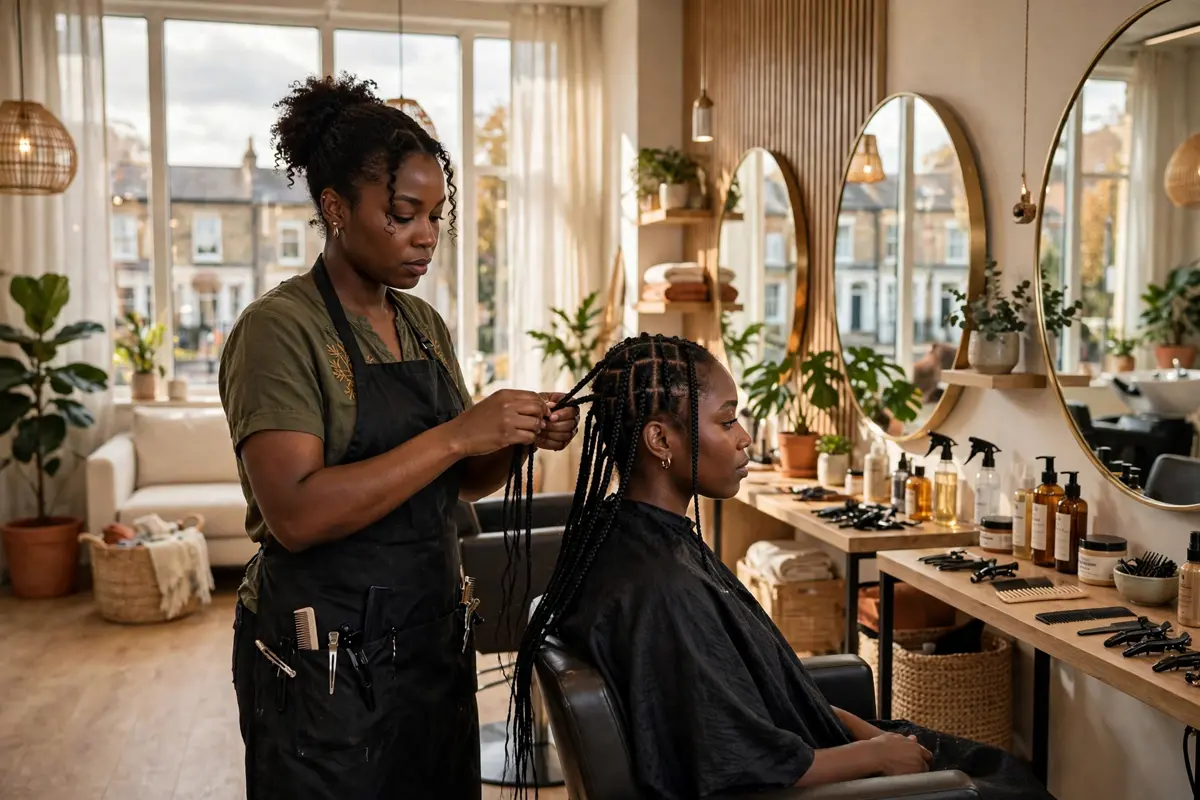
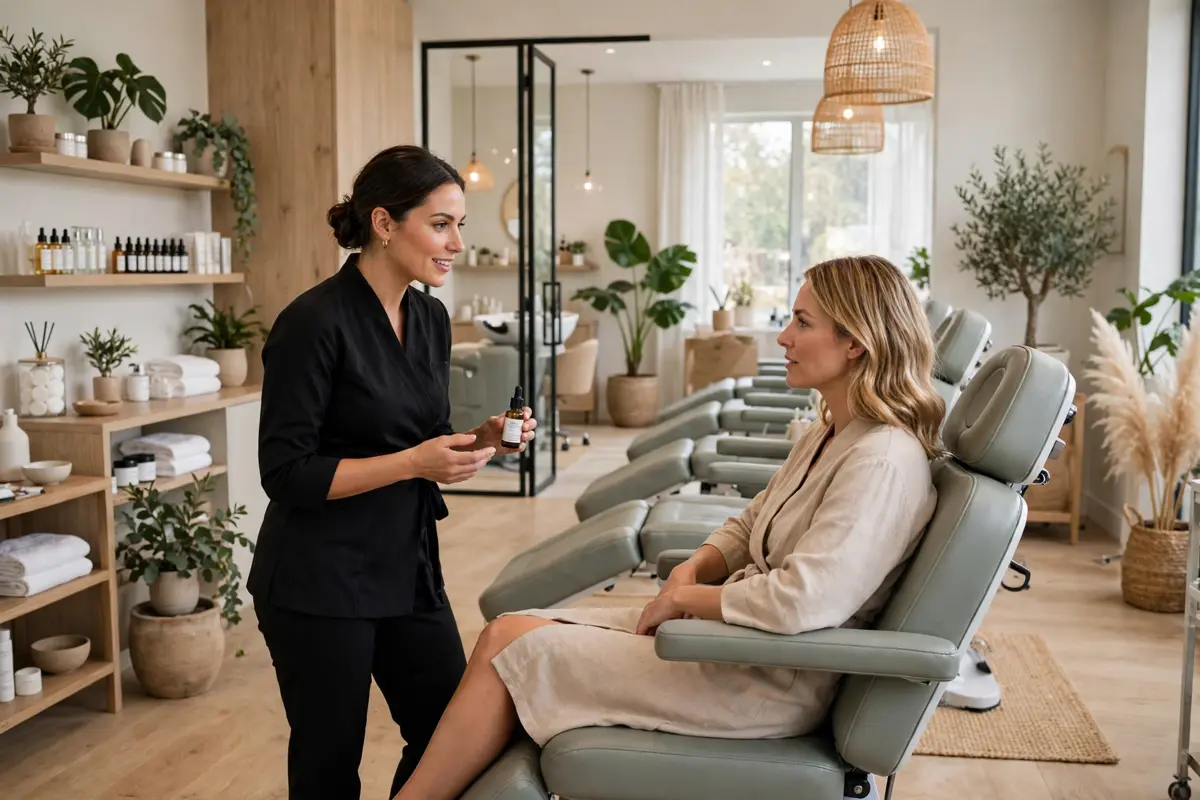
A beauty career success guide is only useful if it reflects how the industry actually works in the UK: clients choose people they trust, skills compound over years, and the professionals who last are the ones who treat their craft and their business with equal seriousness. Whether you are newly qualified, returning after a break, or already working and wondering why progress has stalled, the path forward is rarely one big decision. It is a series of small, deliberate choices about training, pricing, client care and reputation.
This guide sets out that path in practical terms. It covers the skills worth investing in, how to plan your training, how to price your work fairly, how to keep clients coming back, and how to build a career that survives trends and quiet months alike.
Start With the Foundations, Not the Trends
Every beauty career success guide should begin with an honest warning: trends come and go, but foundations pay for years. A new treatment may fill your diary for a season, yet clients stay because of the basics done well — consultation, hygiene, aftercare and honest advice. Before chasing the next popular service, make sure your core skills are genuinely strong. If you offer skincare, understand skin properly. If you offer nails or lashes, your preparation and retention should be consistent before you add anything more advanced.
Qualifications matter in the UK market. Clients increasingly check credentials, and insurers require them. Choose accredited courses from recognised providers, and keep a record of every certificate. A short, well-chosen course that you practise properly beats a long list of certificates you never use. When you are deciding what to learn next, ask one question: will this bring me clients I can serve well for years, or just a few weeks of novelty?
Your Beauty Career Roadmap: Plan in Stages
A useful beauty career roadmap breaks the journey into stages instead of treating success as a single leap. Stage one is competence: qualifying, practising on models, and building a small portfolio of real results. Stage two is consistency: regular clients, reliable income, and systems for booking, stock and aftercare. Stage three is growth: raising prices, specialising, teaching, or opening your own space.
Most people stall between stages one and two, not because they lack talent but because they lack structure. Set a simple plan for the next twelve months: two skills to strengthen, one service to add, and a monthly target for repeat bookings. Review it quarterly. Small plans you actually follow beat grand plans you abandon by February.
Training That Pays: Choose Depth Over Volume
Training is the highest-return spending in a beauty career, but only when it is chosen well. Look for trainers who still work with clients, courses with real practical assessment, and content that includes consultation and contraindications rather than technique alone. After any course, book practice time immediately. Skills fade fast when they sit unused, and a certificate without confidence helps no one.
It also pays to keep learning about the business side. Understanding skin, hair or nails is half the job; understanding pricing, record-keeping and client communication is the other half. Many talented professionals undercharge for years simply because no one taught them to cost a treatment properly. If you are unsure where your career should go next, reading about how to make clear career decisions can help you separate a genuine opportunity from a distraction.
Pricing, Clients and Retention
Pricing is where many beauty careers quietly succeed or fail. Price too low and you attract clients who leave for the next discount, while you burn out doing more treatments for less. Price fairly by costing your time, products, training, rent or chair fee, and the unpaid hours spent on messages, ordering and cleaning. Then communicate the value: what the treatment includes, how long it lasts, and what aftercare you provide.
Retention is worth more than constant new-client hunting. A client who returns every four to six weeks is worth many times a one-off booking. Keep simple notes on preferences, allergies and past treatments. Send a brief aftercare message. Remember details. These small habits are what turn a treatment into a relationship, and they cost nothing.
Your environment matters too. Clients notice cleanliness, calm and professionalism before they notice your product range. If you are thinking about the products you use and the standards you set, our practical guide to greener beauty choices is a useful companion, and keeping your own skincare knowledge current helps every consultation — see our reflections on hydrating skincare and the best organic skincare products for ideas you can discuss honestly with clients.
Building a Reputation That Brings Work to You
Reputation in beauty is built slowly and lost quickly. Ask happy clients for reviews, and respond graciously to every one. Photograph your work with permission, in honest light, and show real results rather than filtered perfection. Be the professional who says no when a treatment is unsuitable — clients remember honesty far longer than they remember a discount.
Specialisation is the fastest route to standing out. Rather than offering everything, become known for one thing done exceptionally well: bridal skin preparation, corrective skincare, textured hair care, or advanced nail work. A clear specialism makes referrals easy, because clients can describe you in one sentence. If your long-term ambition is your own salon, study the business side early — our overview of the main types of business ownership explains the structures worth understanding before you sign anything.
The Habits That Sustain a Long Career
Beauty work is physical. Protect your back, hands and eyes with good posture, proper equipment and real breaks. Pace your diary so that busy weeks do not destroy the quiet ones. Keep learning, but also keep records: income, expenses, training, client feedback. A professional who can see their own numbers makes better decisions than one who guesses.
Finally, be patient with the timeline. A lasting beauty career is usually built over three to five years, not three months. The professionals you admire almost all spent long stretches doing unglamorous, consistent work before anyone noticed. Follow this beauty career success guide one stage at a time — strong foundations, a clear roadmap, fair pricing, loyal clients and an honest reputation — and you give yourself the best possible chance of a career that is both rewarding and durable.