
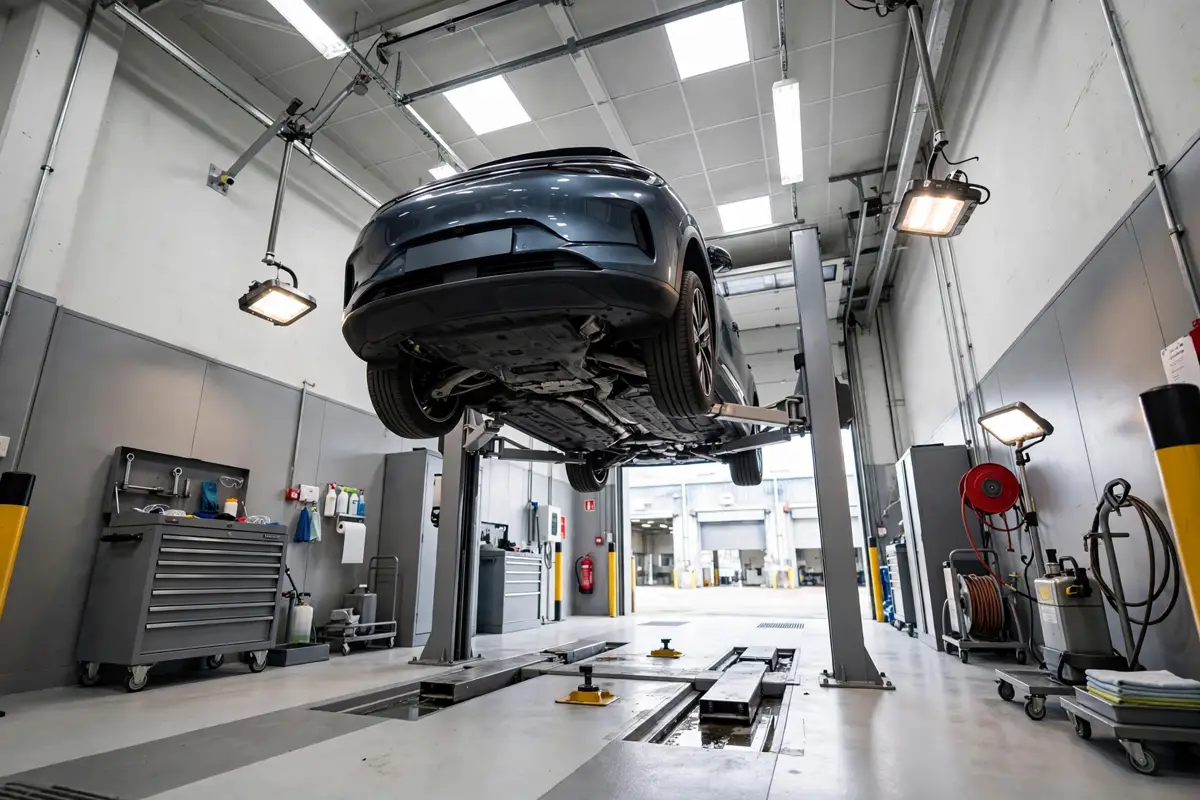
If you own a car in the UK, understanding MOT and service together will help you stay legal, safe and prepared throughout the year. The MOT is the legal check that shows your vehicle meets the minimum standards for use on the road. A service is different, because it maintains the car and helps prevent wear from turning into faults. Together, they form a simple yearly routine for most drivers.
This guide explains what the MOT covers, when it is due and how DVSA regulations shape the test. It also shows what annual inspections check, what the result means for vehicle compliance, and how to prepare with a practical MOT checklist. Finally, it explains how servicing sits alongside the test, so you can plan both with confidence.
What the MOT Is and When It Is Due
The MOT is an official inspection of a vehicle’s safety and emissions condition. Testers examine key parts of the car rather than servicing or repairing it. The aim is straightforward. Every vehicle that uses the road should meet a clear minimum standard on the day of the test.
As general UK practice, most cars need their first MOT when they are three years old. After that, they need the test once a year. Therefore, these annual inspections become a fixed date in the life of the car. Rules can vary for different vehicle types and ages, however. So always check the date that applies to your own vehicle, and book in good time.
In addition, keep your previous certificate and service records somewhere safe. Good records make it easier to track dates, advisories and repairs. They also help a garage understand the car’s recent history. Treat MOT and service as two dates in one annual plan, and you will find both easier to manage.
MOT and Service: DVSA Regulations and Testing Standards
The Driver and Vehicle Standards Agency, known as the DVSA, oversees the MOT system in Great Britain. In plain terms, DVSA regulations set who can test, how testing centres are approved and what testers must check. The DVSA also monitors test quality and can act when a centre does not follow the rules.
Consequently, the test should feel consistent wherever you take your car. Testing standards define the condition each item must reach to pass. Testers use the same guidance and record their findings in the same way. As a result, an owner in one town receives the same basic judgement as an owner elsewhere.
Why Consistent Standards Matter
Standards protect everyone. First, they stop guesswork, because each decision rests on published criteria rather than opinion. Secondly, they make results easier to challenge or explain. Finally, they support road safety, since a vehicle cannot pass simply because a tester takes a relaxed view. When you plan MOT and service together, these standards also help you predict what a garage will examine.
What Annual Inspections Actually Check
An MOT looks at the parts that matter most for safety and for emissions. It does not strip the engine down, and it does not replace worn parts. Instead, the tester inspects, measures and operates each item in turn. This inspection guide works through the main areas in a simple order.
Lights, Visibility and Everyday Controls
First, the tester checks lights and signalling. Headlights, indicators, brake lights and number plate lights should all work correctly. Next, the tester examines visibility. The windscreen, windows, mirrors, wipers and washers must give the driver a clear view. The horn, seatbelts and doors also receive attention, because drivers rely on them every day.
Brakes, Steering and Suspension
Brakes receive careful attention, because they stop the car in an emergency. The tester checks their condition and performance, including the handbrake. Steering and suspension receive similar scrutiny. Worn or damaged parts can affect control, stability and tyre wear. If your car pulls to one side, our wheel alignment guide may help you understand one possible cause.
Tyres, Wheels and Emissions
Tyres link the car to the road, so their condition matters greatly. The tester checks tread, damage and general condition, and also looks at the wheels. In addition, exhaust emissions and the exhaust system form part of the test for most vehicles. A smoky, leaking or excessively noisy exhaust can cause problems. Our tyre services guide explains how regular tyre care supports grip, comfort and safety between tests.
Finally, the tester looks at the vehicle’s structure and general condition. Rust or damage matters most where it weakens an important area or creates a sharp, dangerous edge. Fuel and electrical systems also receive a visual check where relevant.
Vehicle Compliance: What Pass, Advisory and Fail Mean
Vehicle compliance simply means that your car meets the required standard at the time of the test. A pass confirms that it met that standard on that day. However, a pass does not guarantee that the car will stay fault free for the next year. Wear continues, so owners still need routine care and prompt repairs. Good MOT and service planning also makes compliance easier to maintain throughout the year.
An advisory note highlights an item that has not failed but needs monitoring. For example, a tyre may be wearing, or a part may show early corrosion. You should plan the repair rather than ignore the note. Advisories turn a simple certificate into a useful maintenance list for the months ahead.
A fail means the vehicle did not meet the standard. In general terms, testers record faults by seriousness. A dangerous fault presents an immediate risk to safety or the environment. The vehicle should not be driven until it is repaired. A major fault also causes a fail and needs prompt repair. Minor faults may not cause a fail alone, but owners should still fix them.
Your MOT Checklist: Simple Checks Before the Test
Good preparation starts at home, and it costs little more than time. Use this MOT checklist during the week before your appointment. Simple fixes, such as replacing a bulb or topping up screenwash, can prevent an avoidable fail. Meanwhile, larger concerns give you time to ask a garage for advice. It also prepares the ground for any MOT and service work that you book together.
- Check every light, including indicators, brake lights and number plate lights.
- Test the horn, wipers, washers, mirrors and seatbelts.
- Top up screenwash and clear the windscreen inside and out.
- Check each tyre for damage and obvious uneven wear.
- Remove clutter that could block the tester’s access or view.
- Make sure number plates are clean, secure and easy to read.
- Look for warning lights that stay on after starting.
- Check doors, boot and bonnet open and close properly.
- Listen for new knocks, squeaks or grinding from brakes.
- Book repairs early if you already know about a fault.
Afterwards, walk around the car once more in daylight. You will often spot a cracked light, a chipped windscreen area or a soft tyre that you missed indoors. In addition, arrive with enough fuel and charge for the test to run properly, where relevant to your vehicle.
Using This Inspection Guide to Book MOT and Service
Book early, especially if your expiry date falls in a busy period. Booking ahead gives you a choice of times and leaves room for repairs if the car fails. Keep the date visible in a calendar or phone reminder. Then repeat the process each year when you arrange MOT and service, so neither task gets forgotten.
On the day, arrive on time and tell the centre about any concerns you have noticed. Ask the tester or service team to explain the result in plain language. If the car fails, discuss what needs repair now, what the retest involves and when you can return. Clear answers help you make safe, calm decisions. That conversation is a normal part of arranging MOT and service each year.
Road Safety: The Purpose Behind the Test
It helps to remember why the system exists. Road safety improves when brakes work properly, tyres grip well and lights show the driver’s intentions clearly. One neglected car can endanger its occupants, other road users and pedestrians. Therefore, the MOT works as a shared safety net rather than a piece of paperwork.
Regular servicing strengthens that safety net between tests. A service can spot wear early, keep fluids fresh and maintain parts that the MOT only inspects. Consequently, the safest approach combines both routines. The test confirms the minimum standard, while good maintenance helps the car stay above that standard all year.
MOT and Service: How They Differ and Why Both Matter
Many drivers confuse the two appointments, but they do different jobs. An MOT is an inspection only. The tester checks set items against set standards and records a pass or a fail. A routine MOT and service booking may happen on the same day, yet the tasks remain separate. One judges condition, while the other maintains the vehicle.
A service follows the manufacturer’s maintenance schedule instead. The exact work depends on the car and the service level. It can include fresh engine oil, new filters and checks of brakes, fluids and other wearing parts. The garage may also update records and reset service reminders. Unlike the MOT, a service aims to preserve performance, efficiency and reliability over time. In short, MOT and service complement each other, rather than replacing each other.
Understanding MOT and Service Requirements for Your Car
Service requirements vary between models, engines and patterns of use. Your handbook and service history show the pattern that applies to your car. Short journeys, high mileage and older age can all change what a garage recommends. Hybrid owners face some different checks as well. Our hybrid servicing guide explains that side of ownership in more detail.
You can book a service at the same visit as an MOT if the garage offers both. Many owners do the MOT first, so any faults found can be repaired alongside the service work. However, always confirm what work you have approved before the garage starts. Clear approval protects your budget and avoids confusion later.
Final Thoughts on MOT and Service: Plan Ahead with Confidence
In summary, MOT and service work best as partners in one simple routine. The MOT confirms that your car meets the legal and safety standard on the day. Servicing then maintains the car, manages wear and reduces the chance of unwelcome surprises. Book early, use the checklist and act on advisories promptly. That steady approach keeps vehicle compliance simple and supports safer journeys for everyone.