Decorative pillows can transform the look and feel of a room without requiring a major redesign. Whether they are arranged on a bed, sofa, armchair or dining chair, the right cushions can introduce colour, texture and personality while making a space feel more comfortable. From decorative bed pillows to practical cushions for a chair, there are countless ways to use them throughout a UK home.
The secret to successful cushion styling is balance. Rather than simply adding as many pillows as possible, consider the colours, textures, shapes and proportions already present in the room. A thoughtful combination can make even a simple bedroom or living area feel more polished and inviting.
Why Use Decorative Pillows?
Decorative pillows are one of the easiest ways to update an interior. Unlike larger pieces of furniture, cushions can be moved, replaced or rearranged whenever you want to change the appearance of a room.
They can also connect different elements of a colour scheme. For example, a cushion can repeat a shade found in a rug, curtain, artwork or bedding, helping the room feel more cohesive.
Texture is another important benefit. Knitted, quilted, velvet-look, woven and linen-style cushions can introduce visual depth even when you are working with a relatively neutral colour palette.
How to Style Decorative Pillows
There is no single correct way to arrange decorative pillows. The best arrangement depends on the size of the furniture and the overall style you want to create.
Start with Larger Pillows
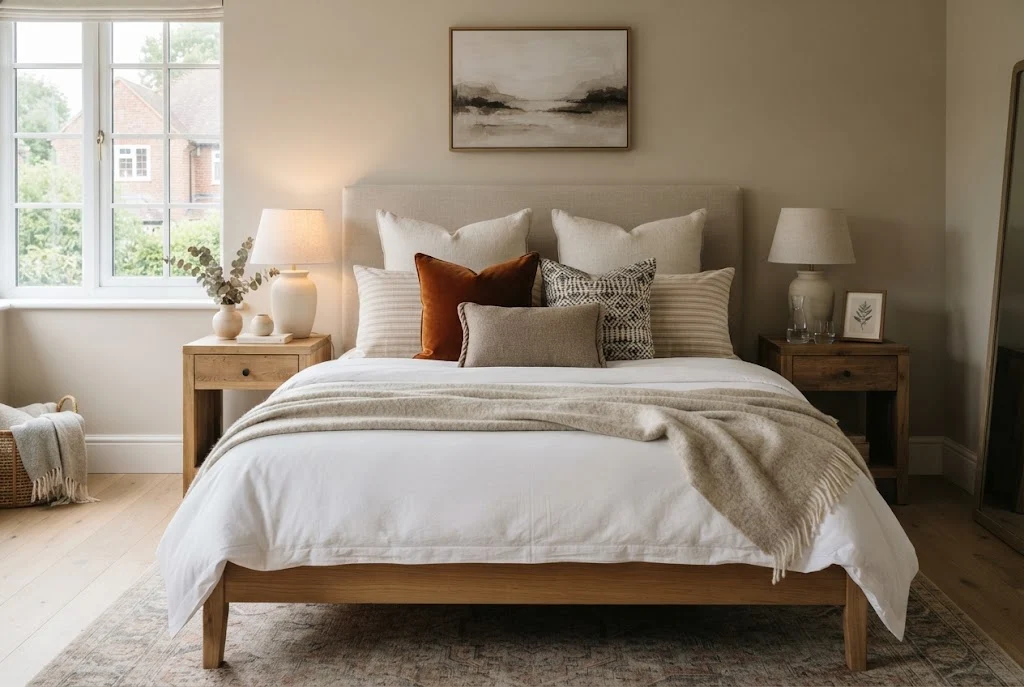
When styling a bed or sofa, begin with larger pillows at the back. They create a foundation for smaller cushions and help the arrangement look layered rather than randomly placed.
Neutral colours such as cream, beige, white, grey or taupe can work particularly well as the base. Once the larger pillows are positioned, you can introduce stronger colours or patterns towards the front.
Add Different Shapes and Sizes
Using several identical cushions can look neat, but mixing sizes often creates a more relaxed and editorial appearance. Pair standard rectangular pillows with smaller square cushions or a lumbar-style cushion.
Keep the overall colour palette connected so that the differences in shape and size feel intentional rather than chaotic.
Mix Textures
Texture can be just as important as colour. Combining smooth cotton with knitted, woven or quilted surfaces creates depth and makes the arrangement more visually interesting.
This is especially useful when working with neutral colours. Even if several cushions are beige or cream, different textures can prevent the arrangement from looking flat.
Decorative Bed Pillows for the Bedroom
Decorative bed pillows can give a bedroom a finished appearance and make the bed feel more inviting. They are particularly effective when layered in front of the main sleeping pillows.
Start with your practical sleeping pillows, then place larger decorative pillows behind smaller cushions. A final lumbar cushion or textured accent pillow can provide a visual finishing point.
The colours do not need to match the duvet exactly. Instead, choose shades that complement the bedding and repeat one or two tones already present in the room.
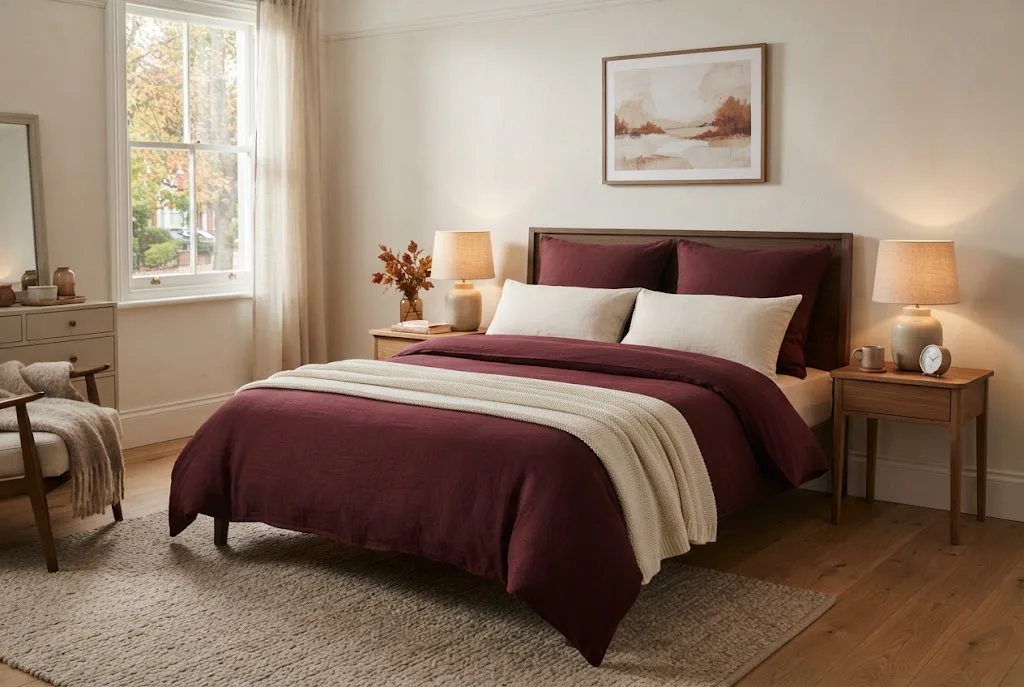
For example, if you are styling a bedroom around burgundy bedding, cream, beige, brown and muted grey pillows can soften the deeper colour while maintaining a coordinated appearance.
Decorative Pillows with Patterned Bedding
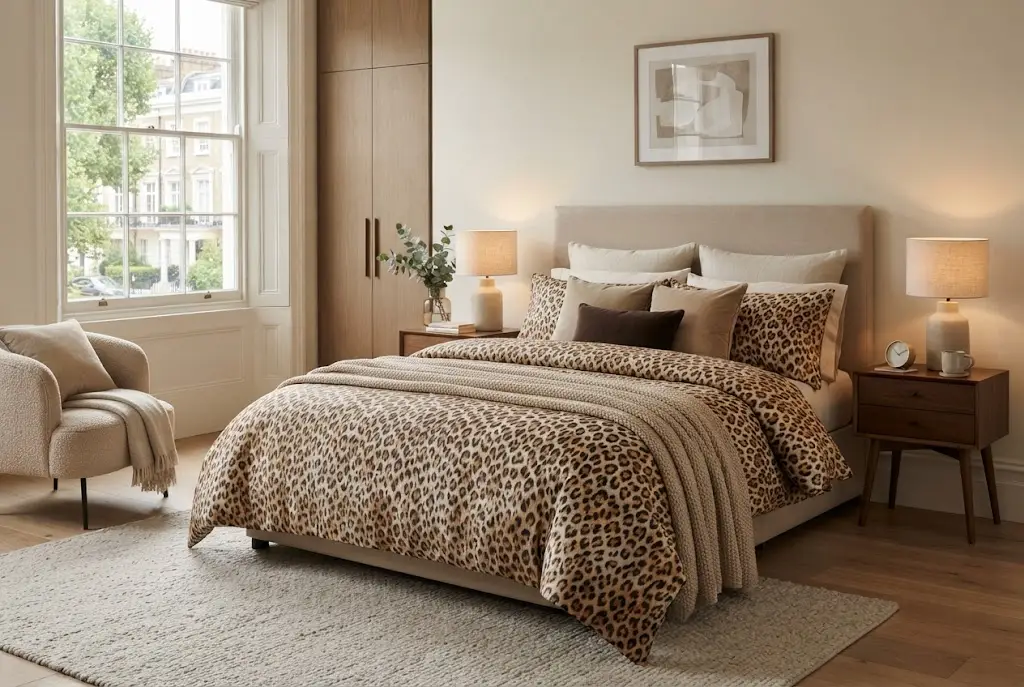
When bedding already contains a strong pattern, decorative pillows should generally support rather than compete with it.
For example, if the bed features a bold animal print, plain cushions in cream, tan or brown can provide balance. You can explore leopard bedding ideas for inspiration on how to use a statement pattern while keeping surrounding décor restrained.
Similarly, geometric bedding can be paired with textured or plain cushions in colours taken from the main pattern. This creates coordination without introducing too many competing shapes.
The important principle is to establish a visual hierarchy. One element should act as the main statement while the other accessories provide supporting detail.
Choosing Colours for Decorative Pillows
Colour selection can completely change the atmosphere created by decorative pillows. Before buying cushions, look at the colours already present in the room and decide whether you want to complement them or introduce a controlled contrast.
- Neutral cushions: Cream, beige, white and taupe create a calm and versatile foundation.
- Deep colours: Burgundy, forest green, navy and charcoal can add depth.
- Warm colours: Terracotta, rust and brown can create a cosy atmosphere.
- Soft colours: Muted pink, sage and pale blue can create a lighter decorative scheme.
- Contrasting colours: A carefully selected accent shade can draw attention to the bed, sofa or chair.
A useful approach is the three-colour principle. Choose a dominant colour, a secondary shade and a smaller accent colour. This can help keep the cushion arrangement visually connected without making every item identical.
Decorative Pillows for Different Rooms
Decorative pillows are not limited to bedrooms. They can be used throughout the home to add comfort and visual interest.
Living Room
On a sofa, cushions can introduce colour and soften a large piece of furniture. Start with larger cushions at the corners and use smaller decorative pillows towards the centre.
For a modern living room, combine plain cushions with one or two textured pieces. If the sofa is neutral, a stronger accent colour can give the room more personality.
Bedroom
Bedrooms provide more opportunity for layering because the bed offers a large horizontal surface. Use decorative bed pillows alongside the main sleeping pillows to create a more finished appearance.
Keep comfort in mind, however. Decorative cushions should be easy to remove at night so they do not become an unnecessary obstacle.
Armchairs and Reading Chairs
A single cushion can make an armchair feel more comfortable and visually complete. Choose a size that fits the chair without covering too much of the seat or backrest.
A textured cushion can work particularly well in a reading corner, especially when paired with a soft throw and warm lighting.
Cushions for a Chair: How to Choose the Right Style
Cushions for a chair need to be selected according to both appearance and proportion. A cushion that is too large can overwhelm a compact chair, while one that is too small may look insignificant.
For an occasional chair, consider a single statement cushion in a colour or texture that connects with the wider room. If the chair is already patterned, choose a plain cushion that complements one of its colours.
For wooden or harder chairs, a seat cushion can also provide additional comfort. In that case, practicality becomes just as important as decorative appeal.
Dining Chair Cushion Ideas
A dining chair cushion can make a dining area more comfortable while adding another decorative layer. Seat cushions are particularly useful with wooden chairs or furniture that has a harder surface.
Choose a cushion that fits the seat securely and does not interfere with movement around the dining table. Neutral colours can create a subtle look, while patterned cushions can make a plain dining area more distinctive.
If your dining chairs are already upholstered or patterned, a simpler cushion may provide the better balance. As with bedding and sofas, avoid adding unnecessary visual competition.
Cushions for Bedding: Creating a Layered Bed
Cushions for bedding can make a bedroom feel more complete, particularly when the duvet cover itself is relatively simple. The goal is to create layers rather than simply filling the bed with pillows.
Begin with larger pillows, add medium-sized cushions and finish with one or two smaller decorative pieces. A lumbar cushion can be particularly useful because its horizontal shape breaks up a row of square pillows.
For a cleaner contemporary look, use fewer cushions and focus on high-quality textures. For a more relaxed bedroom, combine several shapes and fabrics while keeping the colour palette controlled.
How Many Decorative Pillows Should You Use?
The ideal number depends on the size of the furniture and the style of the room. There is no fixed number that works for every bed or sofa.
A king-size bed can accommodate more layers than a single bed, while a compact armchair may only need one cushion. Similarly, a large sofa can handle several cushions without looking crowded, whereas a small loveseat may look better with two or three carefully selected pieces.
Rather than focusing on quantity, consider whether each cushion contributes something useful. It might introduce colour, texture, contrast or comfort. If two cushions perform exactly the same visual role, removing one may actually improve the arrangement.
How to Mix Patterns Without Overdoing Them
Pattern mixing can create a sophisticated interior when it is done carefully. The easiest approach is to choose patterns that share at least one colour.
For example, a geometric cushion can work alongside a smaller botanical or abstract pattern when both contain the same neutral background colour. Keep one pattern larger and allow the others to remain more subtle.
If your bedding already contains a strong design, plain cushions may be the safest choice. The same principle applies to sofas and chairs with patterned upholstery.
Using Decorative Pillows to Change a Room Seasonally
Cushions are particularly useful for seasonal decorating because they are easy to replace and store. You can use lighter fabrics and softer colours during spring and summer, then introduce deeper colours and heavier textures in autumn and winter.
For example, cream, pale blue and muted green can create a fresher summer palette. During colder months, burgundy, brown, charcoal and warm beige can make the room feel cosier.
This approach allows you to refresh your décor without replacing larger furniture or making permanent changes to the room.
Practical Considerations When Buying Decorative Pillows
Style is important, but practical details should not be overlooked. Check the cushion dimensions before buying and consider how the pillow will be used.
If it is intended for a bed or sofa, removable and washable covers can make maintenance easier. For dining chairs, check whether the cushion has secure ties or another suitable fastening method so it stays in position during use.
Fabric is another consideration. A decorative pillow that will be handled frequently needs to feel comfortable and withstand regular use. For purely decorative pieces, you may have more flexibility with delicate textures.
How to Keep Decorative Pillows Looking Fresh
Regular care can help cushions maintain their appearance. Follow the manufacturer’s washing and care instructions rather than assuming every cover can be machine washed.
Fluffing cushions regularly can help restore their shape, while rotating them can reduce uneven wear. Keep decorative pillows away from excessive direct sunlight when the fabric is particularly sensitive to fading.
When cushions are not being used seasonally, store them in a clean, dry place where they can remain protected from dust and moisture.
Final Thoughts on Decorative Pillows
Decorative pillows are a simple and flexible way to improve the appearance of bedrooms, living rooms, chairs and dining spaces. They can introduce colour, texture and pattern while making furniture feel more comfortable and inviting.
The best results come from treating cushions as part of the wider room rather than isolated accessories. Consider the existing bedding, furniture, walls, flooring and lighting, then choose pillows that support the overall design.
Whether you want decorative bed pillows for a layered bedroom, cushions for a chair or a practical dining chair cushion, focus on proportion, colour and texture. A carefully edited collection will usually create a more polished result than simply adding more pillows.
For a modern bedroom with stronger pattern, you can also explore geometric bedding and consider using decorative pillows to pick out one of the pattern’s accent colours.
Ultimately, decorative pillows offer an inexpensive way to experiment with your home’s style. Because they can be changed easily, they are also a practical option when you want to refresh your interior without committing to a major renovation.
For bedroom styling, remember that comfort remains important alongside appearance. The NHS sleep guidance recommends creating a comfortable bedroom environment, making practical comfort a useful consideration when arranging decorative accessories.