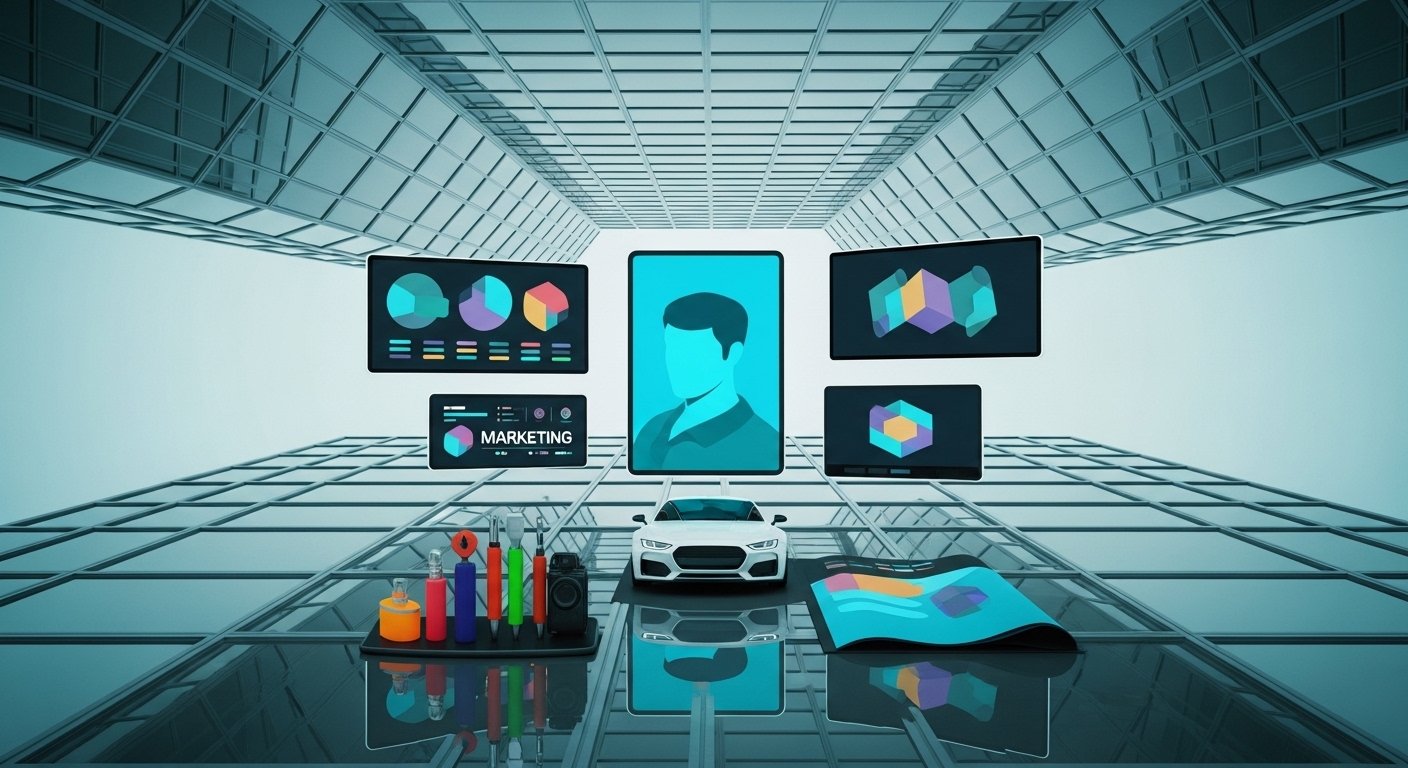
In recent years, Wixom, United States, has transformed into a key hub for automotive manufacturers, driven by advancements in digital marketing strategies. As of 2023, the automotive sector has seen a seismic shift in how it approaches consumer engagement, largely due to the rise of advanced technologies that enhance digital marketing strategies. This article explores the economic impacts that digital marketing strategies have had on Wixom’s automotive ecosystem, focusing on how businesses are leveraging these changes to thrive in an increasingly competitive market.
Market Friction & Problem: Automotive Industry’s Struggle with Traditional Marketing
For years, automotive firms in Wixom, United States, relied heavily on traditional marketing channels such as print ads, radio, and television to reach their customers. However, this approach led to several challenges, including limited targeting capabilities and diminishing returns. As consumer behavior rapidly shifted toward digital platforms, automotive firms were forced to reconsider their marketing strategies or risk being left behind. The emergence of digital platforms such as social media, search engines, and email has significantly altered the landscape, requiring automotive companies to rethink how they engage with potential customers.
The friction lies in the fact that many automotive companies still struggle to integrate digital marketing effectively into their overall strategies. The lack of expertise in digital channels, combined with resistance to change within established businesses, has resulted in missed opportunities. With the automotive industry becoming increasingly competitive, businesses that fail to embrace modern marketing methods risk losing out on valuable market share.
Strategic Resolution Protocol
To tackle these challenges, automotive companies in Wixom must adapt to the digital revolution by integrating data-driven decision-making, improving customer engagement, and embracing new technologies. One significant shift has been the use of data analytics and customer relationship management (CRM) tools to better understand consumer behavior. These tools provide insights that enable businesses to personalize their marketing campaigns and improve ROI.
Future Economic Implications
As digital marketing continues to evolve, Wixom’s automotive industry is poised to experience an economic boom. Firms that successfully integrate these strategies will not only improve their bottom line but also set the stage for long-term growth. The future of automotive marketing in Wixom will be driven by a greater focus on automation, AI-driven content, and highly personalized customer experiences.
Market Evolution: The Rise of Digital Marketing in Automotive
In the past decade, the adoption of digital marketing in the automotive sector has grown exponentially. Wixom’s automotive firms have begun to shift from traditional methods to more innovative, digital-first approaches, leveraging social media platforms, targeted advertisements, and content marketing to reach potential customers. This shift has been fueled by the increased usage of mobile devices, which has led to a significant increase in online searches related to automotive products and services.
The increased prevalence of online automotive marketplaces, such as CarGurus and Autotrader, has also contributed to the changing dynamics in the automotive industry. These platforms allow consumers to compare models, read reviews, and make informed purchasing decisions – all from the comfort of their homes. This transition has made it more critical for automotive brands to maintain a strong digital presence.
Strategic Resolution Protocol
In response to these changes, Wixom’s automotive businesses are now investing heavily in digital transformation initiatives. These include optimizing their websites for mobile devices, improving their search engine optimization (SEO) strategies, and enhancing their social media presence. Additionally, customer-centric marketing practices such as personalized email campaigns and loyalty programs are gaining traction.
Future Economic Implications
As digital marketing becomes more integrated into the automotive sales process, Wixom’s automotive sector will likely experience a more streamlined purchasing process, with increased consumer satisfaction and reduced sales cycles. The shift to digital will also create new job opportunities within the sector, as companies will require experts in digital marketing, data analytics, and e-commerce to stay competitive.
Strategic Alliances and Collaborations: How Wixom’s Automotive Firms are Evolving
One of the significant shifts occurring within Wixom’s automotive landscape is the increasing trend toward strategic alliances and collaborations. Automotive firms are realizing that digital marketing strategies require expertise from various sectors, including technology, analytics, and creative services. By forming partnerships with digital agencies, e-commerce platforms, and tech firms, Wixom’s automotive brands can optimize their digital marketing efforts and enhance their market position.
Additionally, partnerships with platforms such as Google and Facebook provide automotive companies with the tools needed to reach highly targeted audiences. These platforms offer data-driven insights that can help companies refine their marketing strategies and better understand consumer needs.
Strategic Resolution Protocol
Moving forward, automotive companies in Wixom must focus on forging alliances with key technology providers. This collaborative approach will allow businesses to gain a competitive edge by adopting cutting-edge tools and services. Furthermore, cross-industry collaborations can lead to the development of more integrated, holistic digital marketing strategies that span multiple channels.
Future Economic Implications
The future of Wixom’s automotive industry will likely see an increased emphasis on partnerships that enable businesses to stay ahead of technological advancements. Companies that strategically align themselves with tech providers will benefit from faster adoption of new marketing technologies, which will provide them with a competitive advantage in a rapidly changing market.
Technological Integration: The Role of AI and Automation in Digital Marketing
Wixom’s automotive firms are increasingly integrating artificial intelligence (AI) and automation into their digital marketing strategies. These technologies have revolutionized the way businesses interact with consumers, enabling them to provide highly personalized, real-time experiences. AI-powered chatbots, for example, are now commonly used on automotive websites to assist potential customers with inquiries and guide them through the buying process.
Additionally, machine learning algorithms are being used to analyze vast amounts of customer data, identifying trends and preferences that can inform marketing campaigns. These technologies allow automotive companies to automate much of their marketing processes, reducing manual effort and improving overall efficiency.
Strategic Resolution Protocol
To remain competitive, Wixom’s automotive firms must continue to invest in AI and automation technologies. Implementing chatbots, personalized recommendations, and predictive analytics will allow these businesses to deliver enhanced customer experiences while optimizing their marketing efforts. Moreover, these technologies enable automotive companies to reduce costs while improving conversion rates and customer satisfaction.
Future Economic Implications
As AI and automation become more sophisticated, Wixom’s automotive sector will experience an even greater shift toward automation. The continued integration of AI-powered marketing tools will reduce costs, improve customer engagement, and streamline operations, allowing firms to maintain competitive pricing structures while increasing profits.
Consumer Behavior: Understanding the Digital Shift
Understanding how consumer behavior has shifted in the digital age is crucial for automotive firms in Wixom. Today’s consumers are more informed than ever before, often spending weeks researching their next vehicle purchase online before stepping foot in a dealership. This shift has made it essential for automotive businesses to adapt their marketing strategies to meet the evolving expectations of consumers.
Digital platforms such as social media, online reviews, and automotive forums have become powerful tools for influencing consumer decisions. As a result, Wixom’s automotive businesses must leverage these channels to engage with potential customers and provide them with the information they need to make informed decisions.
Strategic Resolution Protocol
Automotive companies in Wixom need to develop robust digital marketing strategies that prioritize customer education and engagement. By creating valuable content, offering virtual consultations, and enhancing their online presence, these firms can build stronger relationships with potential customers and guide them through the decision-making process.
Future Economic Implications
The future of automotive marketing in Wixom will see a further shift toward customer-centric strategies. Companies will need to continually innovate to meet the demands of an increasingly tech-savvy consumer base, ensuring they remain relevant in an ever-changing marketplace.
Hero Paragraph
As the automotive industry in Wixom embraces digital marketing, companies like 4-Serv Solutions Inc play a pivotal role in transforming how businesses approach consumer engagement. With their expertise in web and mobile application development, they are helping automotive firms in Wixom navigate the complexities of the digital age and stay ahead of market trends.
“The integration of AI and automation into digital marketing strategies will significantly enhance the competitiveness of Wixom’s automotive sector, leading to better customer engagement and streamlined operations.”
Conclusion: Digital Marketing’s Lasting Impact on Wixom’s Automotive Industry
Wixom’s automotive industry is at the precipice of a digital revolution. By leveraging digital marketing tools and strategies, firms can enhance customer engagement, reduce costs, and increase revenue streams. As technological advancements continue to reshape the landscape, Wixom’s automotive businesses will need to stay agile, adopting new technologies and evolving their strategies to maintain their market position.