
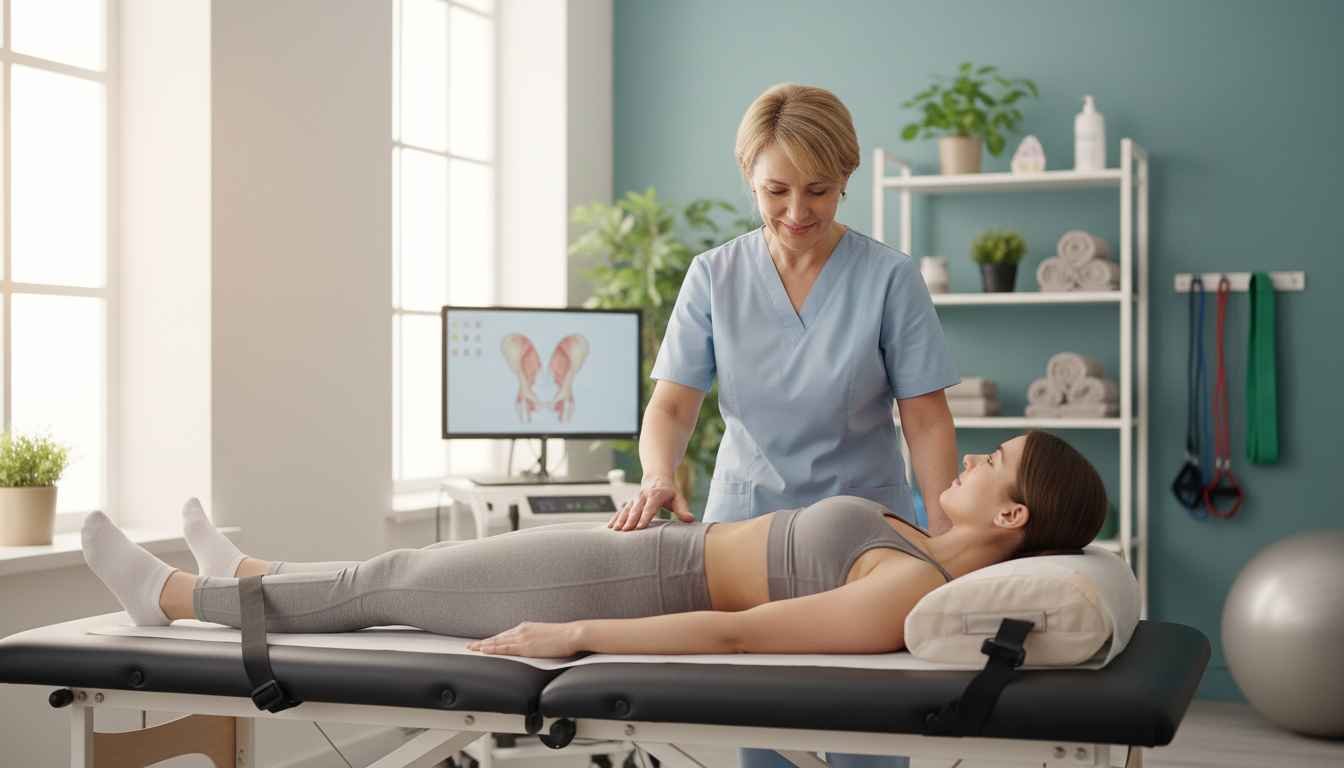
Quality over quantity. When it comes to elite pelvic health and physical therapy, results are not measured by how often you exercise, but by how precisely and intentionally you target the core structures that support pelvic function. Women navigating menopause, postpartum recovery, or chronic pelvic issues are increasingly seeking specialized care that addresses the root cause rather than just masking symptoms.
Elite pelvic health isn’t just a trend; it’s a shift in healthcare that prioritizes individualized assessment, evidence-based interventions, and measurable outcomes. Unlike standard physiotherapy approaches, elite programs integrate advanced techniques such as biofeedback, targeted strengthening, myofascial release, and functional movement training. These strategies restore not only physical stability but also confidence and quality of life.
Early in my own journey as a practitioner, I relied heavily on generic exercise protocols for pelvic floor dysfunction. I saw women progress inconsistently, some even experiencing setbacks. That experience taught me that elite pelvic therapy requires more than knowledge – it requires precision, continuous assessment, and a deep understanding of the female anatomy and hormonal influences. This insight became the foundation of the programs we now offer at Myalloy, where every treatment plan is tailored to individual needs.
Why Elite Pelvic Health Matters Now
The landscape of women’s health is rapidly changing. Traditional approaches often fail to address the multifactorial nature of pelvic issues, leaving millions under-treated. Elite pelvic health focuses on:
- Preventing incontinence and pelvic organ prolapse through proactive strengthening and neuromuscular retraining.
- Alleviating chronic pelvic pain, a condition often overlooked in mainstream physical therapy.
- Enhancing sexual health and functional mobility, which decline subtly but significantly during menopause.
- Supporting postpartum recovery with evidence-based interventions that restore core and pelvic stability.
With more women embracing long-term health strategies, the demand for highly specialized pelvic therapy continues to rise. Clinics that adopt elite methodologies can offer measurable outcomes and establish trust with clients seeking genuine improvement.
Advanced Techniques Shaping the Field
Elite pelvic therapy integrates a variety of specialized modalities:
1. Biofeedback
Using precise sensors, women learn to identify and engage the correct muscles. This approach accelerates rehabilitation by reinforcing neuromuscular control, something traditional exercises often miss.
2. Myofascial Release
Tight fascia or scar tissue can impede pelvic function. Targeted release techniques help restore flexibility, reduce pain, and improve muscle coordination.
3. Functional Movement Integration
Rather than isolated exercises, elite therapy emphasizes functional movement – lifting, bending, and walking patterns that reflect daily activities. This ensures long-term improvement and prevents relapse.
4. Hormone-Aware Protocols
Menopause introduces hormonal shifts that affect tissue elasticity and strength. Elite programs tailor interventions to account for estrogen deficiency, ensuring exercises are both safe and effective.
Potential Drawbacks: Who Should Avoid This?
While elite pelvic health offers significant benefits, it isn’t suitable for everyone. Women with active pelvic infections, certain acute musculoskeletal injuries, or untreated gynecological conditions should avoid intensive interventions until cleared by a physician. Additionally, programs requiring high-intensity engagement may not be appropriate for those with severe cardiovascular or respiratory limitations. Consultation with a qualified pelvic health professional is essential before starting any regimen.
Predicting the Next Decade in Elite Pelvic Care
Looking forward, the field is poised for several transformative trends. Virtual biofeedback and AI-assisted assessments will allow personalized monitoring at home. Regenerative medicine, including targeted PRP or stem-cell therapies, may complement physical therapy for chronic conditions. Wearable technology will track pelvic muscle engagement and provide real-time feedback, enhancing adherence and outcomes. Clinics that adopt these innovations early will not only improve patient satisfaction but also set new standards for clinical excellence.
Another emerging trend is the integration of mental health and pelvic therapy. Anxiety, depression, and chronic stress influence pelvic floor dysfunction. Elite programs that combine mindfulness, cognitive behavioral strategies, and somatic awareness are showing faster recovery and sustained results.
Experience-Based Insights for Women Seeking Elite Care
From my years running programs at Myalloy, one critical insight stands out: consistency and precision matter more than volume. I once overscheduled a client with a high-intensity home program, thinking more sessions would yield faster results. Instead, she experienced fatigue, frustration, and even mild pain flare-ups. Adjusting to a more focused, lower-frequency, outcome-driven approach led to measurable improvement in just weeks. This reinforces the principle that elite pelvic health isn’t about doing more – it’s about doing it right.
Key Takeaways
Elite pelvic health and physical therapy represents a paradigm shift. It blends precision, science, and personalization to address complex pelvic issues. Women benefit from improved function, reduced pain, and enhanced quality of life, particularly during menopause or postpartum recovery. By anticipating technological advancements, hormone-aware strategies, and integrated mental health approaches, elite pelvic care is poised to redefine women’s wellness for the next decade.
Summary
Elite pelvic health is transforming women’s wellness through targeted, evidence-based physical therapy. Key benefits include improved core stability, reduced pelvic pain, and enhanced functional mobility. Advanced techniques such as biofeedback, myofascial release, and hormone-aware protocols differentiate elite programs from traditional care. Potential drawbacks exist, making proper assessment essential. Future trends point to virtual monitoring, regenerative medicine, wearable technology, and integrated mental health strategies as the next frontier in pelvic wellness.